Untangling Affiliate Tracking Networks and Their Sway Over User Migration Flows Across Browser-Based Gaming Portals
Klara Hoffmann · Aug 8, 2026
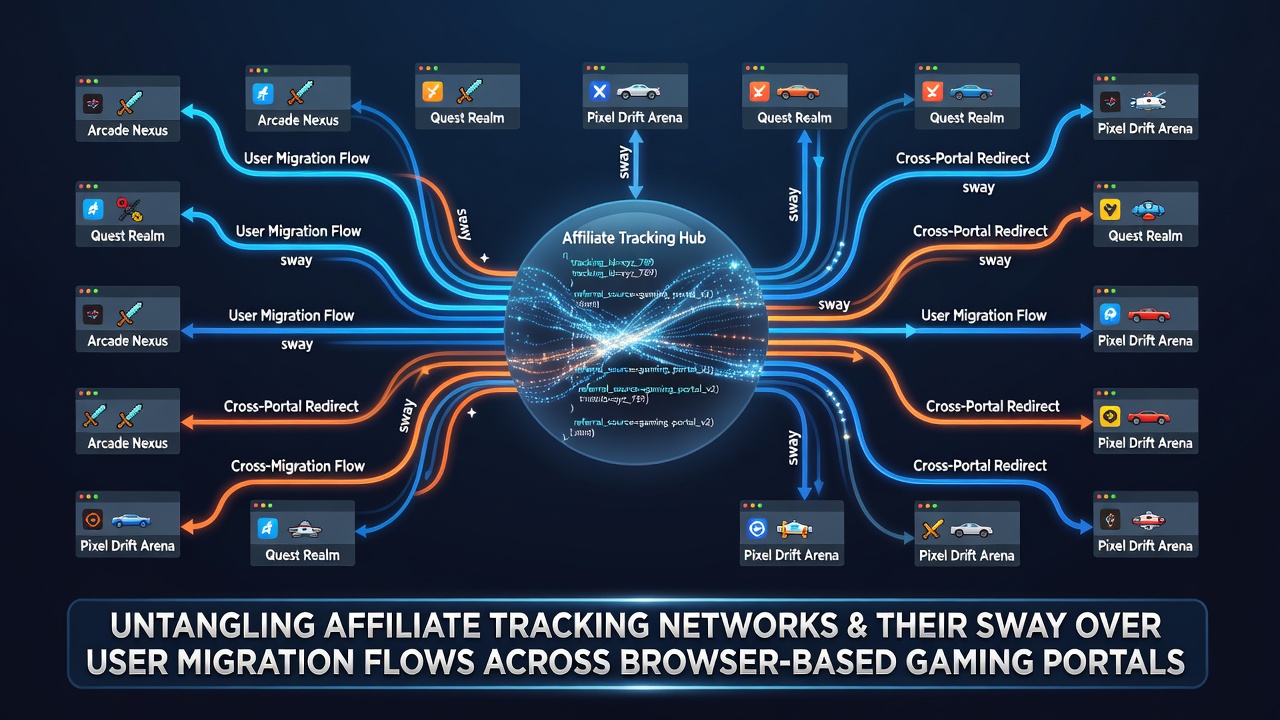
Untangling Affiliate Tracking Networks and Their Sway Over User Migration Flows Across Browser-Based Gaming Portals
Affiliate tracking networks operate through layered systems of cookies, pixels, and server-side scripts that record every click and referral across browser-based gaming portals, and these mechanisms shape where users land next when they migrate from one site to another. Observers note that operators rely on these networks to attribute traffic and revenue, which in turn influences the promotional offers displayed to individual visitors based on their prior activity on partner domains.
How Tracking Systems Capture User Journeys
Browser-based gaming portals integrate affiliate scripts that fire during page loads, and these scripts log referrer data while assigning unique identifiers that persist across sessions. Research indicates that first-party cookies combined with fingerprinting techniques allow networks to follow users even after they clear standard storage, whereas third-party cookies face increasing restrictions in major browsers. Data from industry reports shows that migration flows accelerate when a portal offers higher commission-driven bonuses, because the tracking layer automatically surfaces those incentives to users coming from lower-paying affiliates.
Experts have observed that server-to-server tracking has gained ground since many browsers limited cookie duration, and this shift means data passes directly between affiliate platforms and operators without relying on client-side storage. According to findings from the European Gaming and Betting Association, such methods maintain attribution accuracy while complying with privacy rules in multiple jurisdictions. Users often move between portals within minutes when tracking identifies them as high-value based on past deposit patterns recorded by the network.
Patterns in User Migration Across Portals
Migration flows follow predictable routes when affiliate networks prioritize certain portals through dynamic link updates, and studies reveal that users directed via performance-based campaigns tend to cluster around sites offering rapid payout options. The reality is that tracking parameters embedded in URLs allow networks to test which combinations of landing pages and bonuses produce the highest conversion rates, and operators adjust bids accordingly to steer traffic.

One case highlighted by researchers at the Canadian Gaming Association demonstrated how a single tracking network rerouted thousands of sessions in a single month after adjusting commission tiers, and this rerouting produced measurable shifts in active player counts at the receiving portals. Observers note that cross-portal migration intensifies during promotional periods because the networks push updated creatives that highlight limited-time incentives, and users respond by following the tracked links rather than searching independently.
Technical Components Driving Attribution
Affiliate platforms employ postback URLs that transmit conversion data in real time, and these endpoints connect the initial click with later actions such as account creation or deposits. Figures reveal that when tracking networks experience downtime, migration patterns flatten because portals lose the ability to credit referrals accurately, which reduces the incentive to promote those destinations. Those who manage large affiliate programs often deploy A/B testing frameworks that rotate tracking links across user segments, and this practice further refines which portals receive concentrated traffic flows.
According to a 2025 report issued by the Australian Gambling Research Centre, browser-based environments see higher migration volatility than app-based ecosystems because cookie persistence varies across desktop and mobile browsers, and networks compensate by layering multiple identification methods. The ball remains in the operators' court when deciding whether to accept traffic from networks that employ aggressive fingerprinting, since regulatory scrutiny continues to evolve on data collection practices.
Regulatory and Industry Responses
Gaming regulators in several regions have begun examining how affiliate tracking influences user movement, and licensing conditions now require clearer disclosure of referral sources in some markets. Industry organizations such as the Interactive Gaming Council have published guidelines urging networks to adopt consent-first approaches, and these recommendations address concerns about opaque data flows between portals. Evidence suggests that portals adopting transparent tracking policies experience steadier migration patterns because users remain within tracked ecosystems rather than jumping to unmonitored alternatives.
Conclusion
Affiliate tracking networks continue to direct user migration across browser-based gaming portals through evolving technical and commercial mechanisms, and the interplay between attribution accuracy and user behavior remains central to portal strategy. Data from multiple sources confirms that changes in tracking reliability directly affect traffic distribution, while regulatory developments shape the methods networks can employ. Observers continue to monitor these dynamics as browser policies and compliance requirements shift in the coming periods.