Tracing Geopolitical Tensions and Their Ripple Effects on Loyalty Point Expiry Windows in Cross-Platform Virtual Wagering Systems
Clara Wagner · Aug 11, 2026
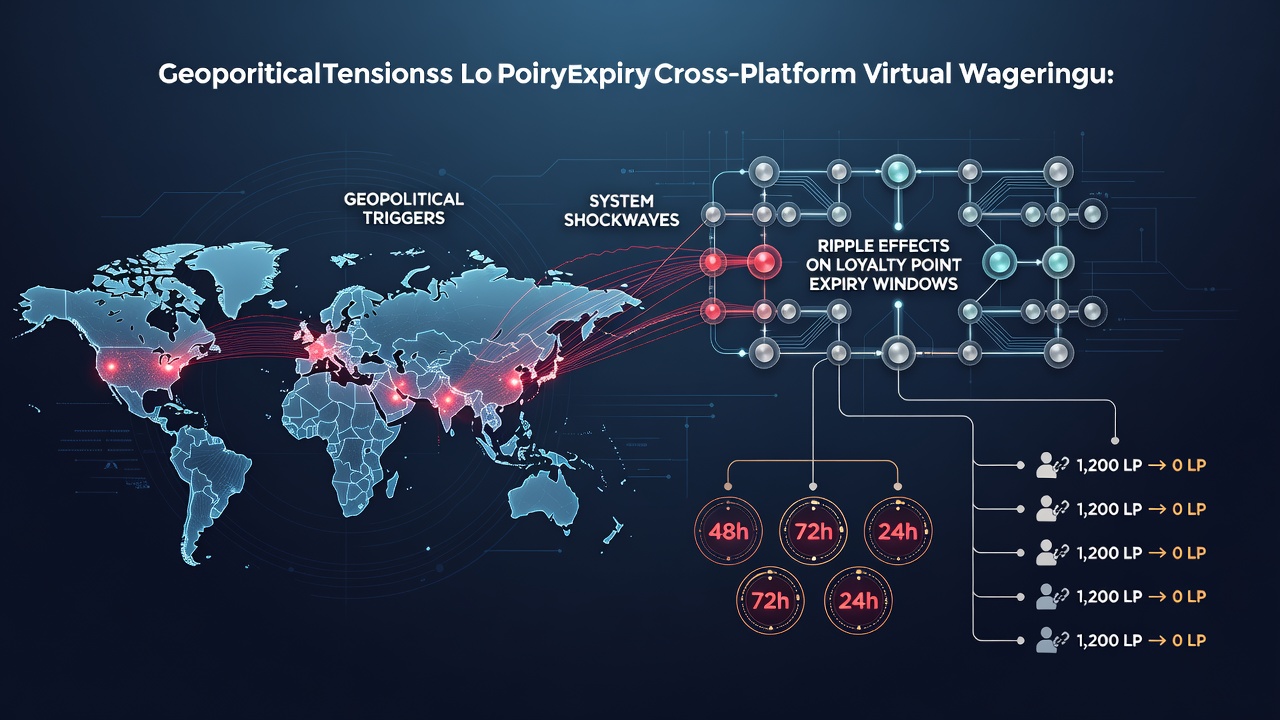
Tracing Geopolitical Tensions and Their Ripple Effects on Loyalty Point Expiry Windows in Cross-Platform Virtual Wagering Systems
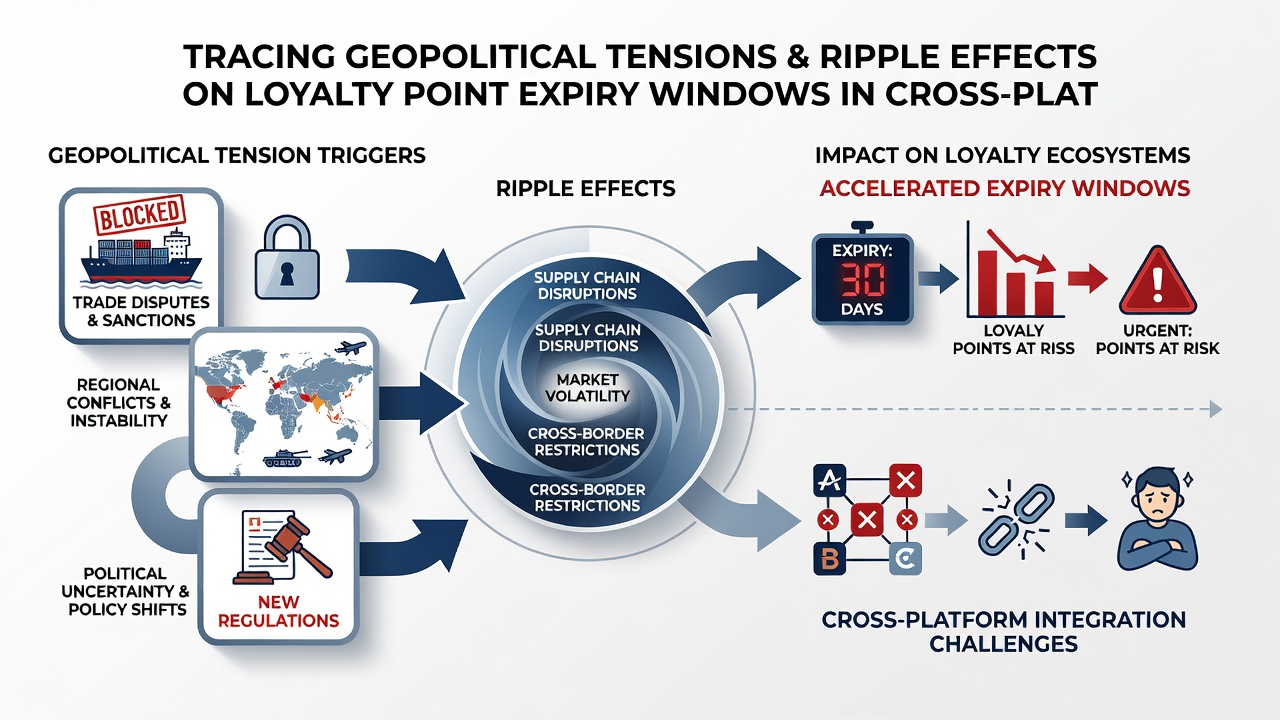
Geopolitical tensions have reshaped operations across international digital gaming networks in recent years, and data from multiple regulatory bodies show direct connections to modifications in loyalty point expiry windows within cross-platform virtual wagering systems. Trade disputes, sanctions regimes, and regional conflicts influence payment processing, currency valuations, and compliance requirements, which in turn prompt operators to recalibrate reward structures that span desktop, mobile, and browser-based environments.
Key Geopolitical Drivers Affecting Gaming Infrastructure
Observers note that events such as the ongoing adjustments in US-China trade policies and restrictions tied to Eastern European conflicts have created layered effects on operators licensed in multiple jurisdictions. According to reports from the International Gaming Association, cross-border transaction volumes in virtual wagering declined by measurable percentages in affected corridors during 2025, forcing platforms to review reward redemption timelines to align with fluctuating exchange rates and banking restrictions. These shifts do not occur in isolation, since loyalty systems often integrate across platforms where point accumulation from one device feeds into unified accounts accessible elsewhere.
Researchers tracking these patterns have documented how sanctions lists maintained by bodies like the Australian Department of Foreign Affairs and Trade require operators to exclude certain user segments or adjust accrual mechanics, and those exclusions frequently extend to expiry schedules that once allowed 18-month windows but now compress to shorter periods in high-risk regions.
Modifications to Loyalty Point Expiry Mechanics
Operators respond to these pressures by shortening or segmenting expiry windows based on user location data and transaction origins. Figures from industry monitoring services reveal that platforms operating in Asia-Pacific markets implemented tiered expiry rules in early 2026, where points earned through cross-platform play in sanctioned-adjacent currencies expired within nine months rather than the previous twelve. This adjustment maintains compliance while preserving core retention functions, although it requires sophisticated tracking software that syncs in real time across devices.
One documented case involved a major multi-jurisdictional provider that revised its global loyalty framework after currency controls tightened in response to broader geopolitical friction. Points accumulated via mobile slots in one region could no longer roll over indefinitely into desktop table game redemptions in another, because new verification layers introduced delays that operators offset by accelerating expiry dates.
Cross-Platform Synchronization Challenges
Cross-platform environments amplify these ripple effects because loyalty ledgers must reconcile activity from mobile apps, web browsers, and dedicated desktop clients simultaneously. When geopolitical events trigger sudden changes in acceptable payment rails, operators face delays in point posting that previously triggered automatic extensions. Instead, many systems now apply fixed expiry regardless of posting lags, according to technical specifications shared in sector briefings from Canadian provincial regulators.
August 2026 brought additional scrutiny as several platforms prepared for anticipated updates to international sanctions lists, prompting preemptive reductions in expiry flexibility for accounts showing activity patterns linked to high-volatility jurisdictions. Data indicates these preemptive measures reduced dispute volumes related to unredeemed points by aligning user expectations more closely with operational realities.
Regulatory and Operational Responses
Regulatory frameworks in diverse regions continue to intersect with these dynamics. The Ontario Lottery and Gaming Corporation has issued guidance requiring clear disclosure of expiry policies whenever geopolitical factors influence redemption options, while parallel discussions in European trade associations emphasize standardized reporting of how external tensions alter reward timelines. Operators that maintain unified loyalty databases across platforms must therefore update user interfaces and backend rules in coordinated releases to avoid compliance gaps.
Academic analyses from gaming research centers have examined datasets spanning multiple operators and found correlations between specific tension escalations and subsequent expiry window contractions, particularly where virtual wagering systems rely on third-party processors vulnerable to banking restrictions. These studies highlight the need for adaptive algorithms that monitor external indicators and adjust expiry parameters without manual intervention.
Conclusion
Geopolitical tensions continue to propagate through loyalty structures in cross-platform virtual wagering systems, producing measurable changes to expiry windows that reflect broader compliance and economic pressures. Regulatory disclosures, transaction data, and technical adjustments documented through 2026 demonstrate consistent patterns where operators shorten or segment these windows to maintain operational integrity across devices and jurisdictions. As monitoring improves, further refinements in how points accrue and expire will likely track evolving global conditions rather than remain static features.