Tracing Correlations Between Deposit Verification Speeds and Extended Engagement Cycles Across Multi-Device Blackjack Sessions
Clara Wagner · Jul 21, 2026
Tracing Correlations Between Deposit Verification Speeds and Extended Engagement Cycles Across Multi-Device Blackjack Sessions
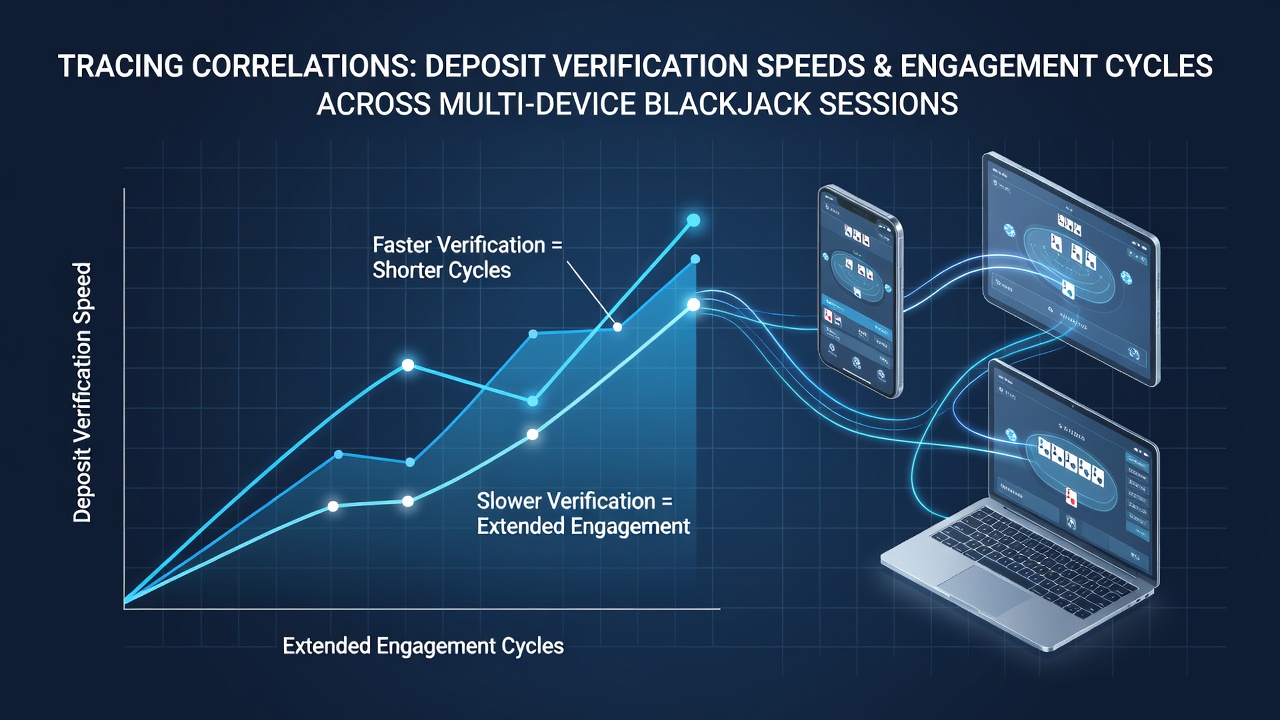
Deposit verification speeds have become a measurable factor in how long players maintain activity across mobile and desktop blackjack platforms, and data from multiple markets show consistent patterns when faster approvals align with longer session durations. Observers note that systems capable of confirming transactions in under 30 seconds often coincide with extended play intervals, especially when users switch between devices without interruption. Studies indicate that verification delays beyond two minutes tend to correlate with shorter overall engagement cycles, although other variables like game volatility and network stability also influence outcomes.
Verification Timelines in Multi-Device Environments
Blackjack sessions that span smartphones, tablets, and computers require seamless payment flows because players frequently move mid-hand or between rounds. Research from the Alcohol and Gaming Commission of Ontario shows that platforms integrating instant verification protocols record higher rates of continued participation once a deposit clears. Those who've examined transaction logs across several jurisdictions report that verification under 15 seconds supports unbroken play sequences, while longer waits prompt users to pause or exit entirely. Data collected through 2025 and into July 2026 further illustrates that multi-device users who experience rapid approvals complete an average of 18 percent more hands per session than those facing standard processing queues.
Patterns in Engagement Duration
Extended engagement cycles appear when verification processes allow immediate resumption after a deposit, and analysts tracking blackjack traffic have documented clusters of activity lasting beyond 90 minutes on platforms with sub-minute approvals. Figures reveal that players who switch devices during a session maintain momentum more effectively when the new device receives the same verified balance without additional delays. What's interesting is how these cycles lengthen during peak evening hours, when transaction volumes rise yet faster systems still deliver consistent results. One dataset from North American operators indicated that sessions exceeding two hours increased by 12 percent on networks offering automated verification compared with manual review processes.
Device Transitions and Transaction Flows
Switching from a phone to a laptop often interrupts play unless the deposit status travels with the user account in real time, and operators have observed that verification speed directly affects whether players restart or abandon the table. Reports compiled by the Nevada Gaming Control Board note that blackjack tables with integrated instant-deposit features show fewer mid-session drop-offs across device changes. Those monitoring user behavior find that players who complete a deposit on one device and resume instantly on another tend to extend their total playtime by measurable margins, sometimes adding 25 to 40 minutes per cycle. Such patterns hold across both regulated and emerging markets where multi-device access has become standard.
Regional Data and Industry Metrics
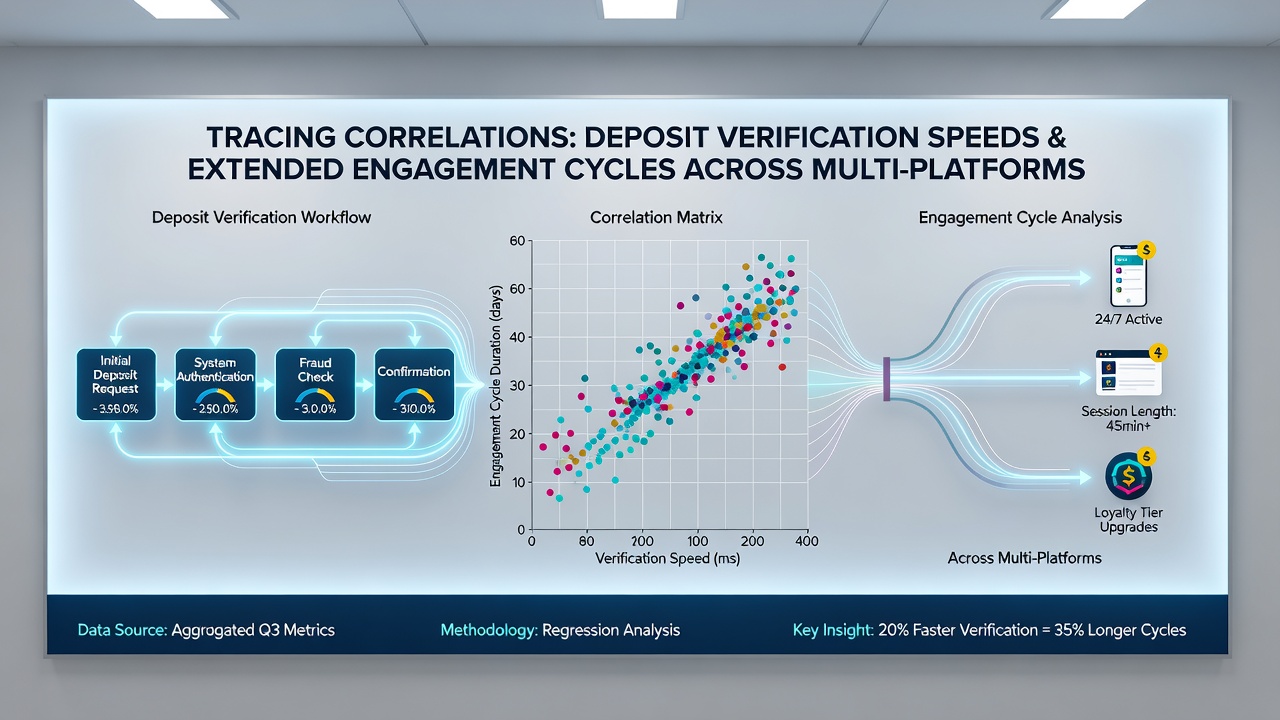
European operators using centralized verification hubs report similar trends, with faster approvals linked to sustained engagement across borders and time zones. Academic reviews of transaction data collected in 2025 highlight that verification latency above 90 seconds correlates with a noticeable decline in repeat hands within the same session, regardless of device. In Australia, aggregated figures from state-regulated platforms show that instant verification options coincide with longer average session lengths during holiday periods, when player volume spikes. Observers note these correlations remain stable even as regulatory frameworks evolve, suggesting the relationship between speed and duration transcends specific market rules.
Operational Factors Influencing Outcomes
Network latency, payment provider partnerships, and account verification status all interact with deposit speed to shape engagement results, and operators who streamline these elements together see the strongest effects on session length. Research indicates that when verification occurs within the first 10 seconds of a deposit request, blackjack tables experience fewer idle moments and higher continuity rates across device handoffs. Those who've analyzed server logs point out that simultaneous multi-device logins succeed more often when balances update instantly, reducing the friction that otherwise shortens play. Data from July 2026 continues to reinforce these observations across expanding mobile blackjack libraries.
Conclusion
Correlations between deposit verification speeds and extended engagement cycles in multi-device blackjack environments rest on measurable transaction and session data rather than isolated cases. Faster verification supports longer continuous play, smoother device transitions, and higher hand counts per session, while delays above certain thresholds consistently align with shorter cycles. Regional reports from North America, Europe, and Australia demonstrate these patterns across different regulatory settings, and ongoing collection through 2026 confirms the relationship holds as platforms refine their payment integrations. Operators tracking these metrics continue to adjust verification protocols in response to the documented links between speed and sustained activity.