Tracing Biometric Verification Flows Across Layered Loyalty Structures in Global Virtual Poker Circuits
Klara Hoffmann · Jul 28, 2026
Tracing Biometric Verification Flows Across Layered Loyalty Structures in Global Virtual Poker Circuits
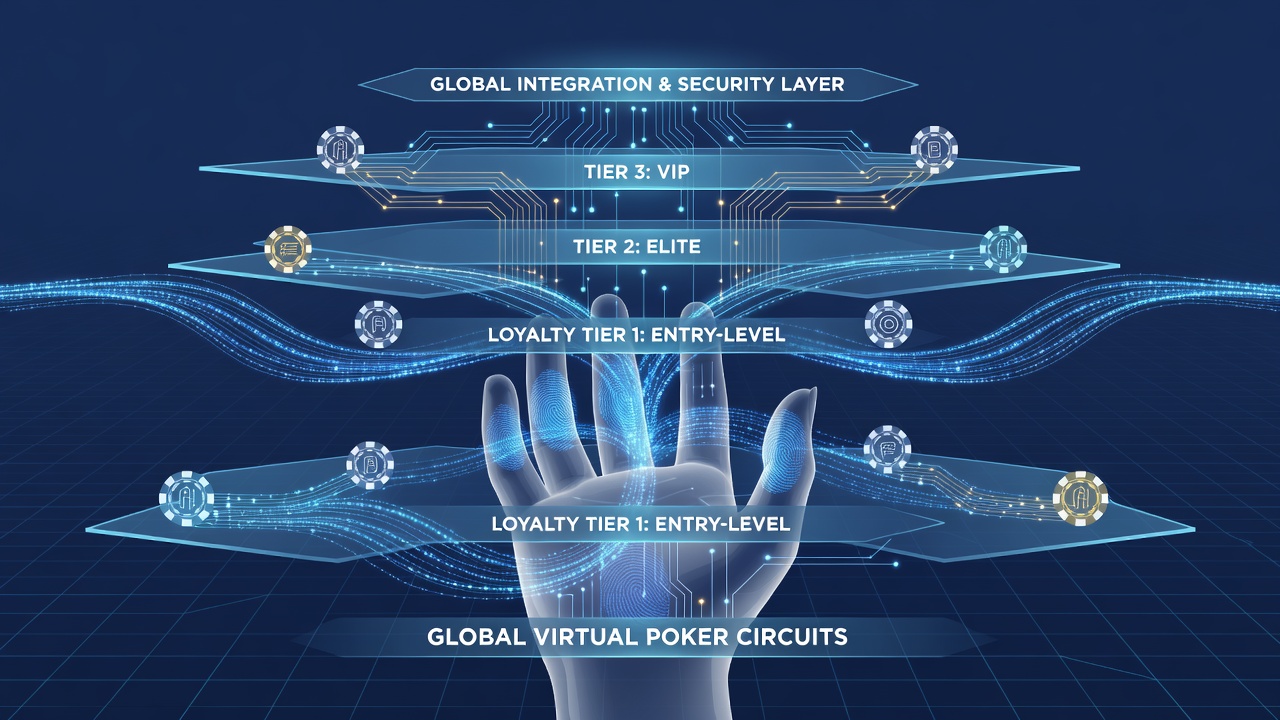
Biometric verification processes in global virtual poker circuits follow structured sequences that begin with initial user enrollment and continue through ongoing authentication checkpoints tied directly to loyalty program tiers, and these flows adapt based on regional regulations while maintaining consistency across platforms that operate in multiple jurisdictions. Data from industry reports indicate that platforms layer verification requirements so basic access uses lighter checks for entry-level participants whereas higher tiers trigger more frequent or advanced scans such as facial recognition combined with behavioral analytics.
Enrollment and Initial Tier Assignment
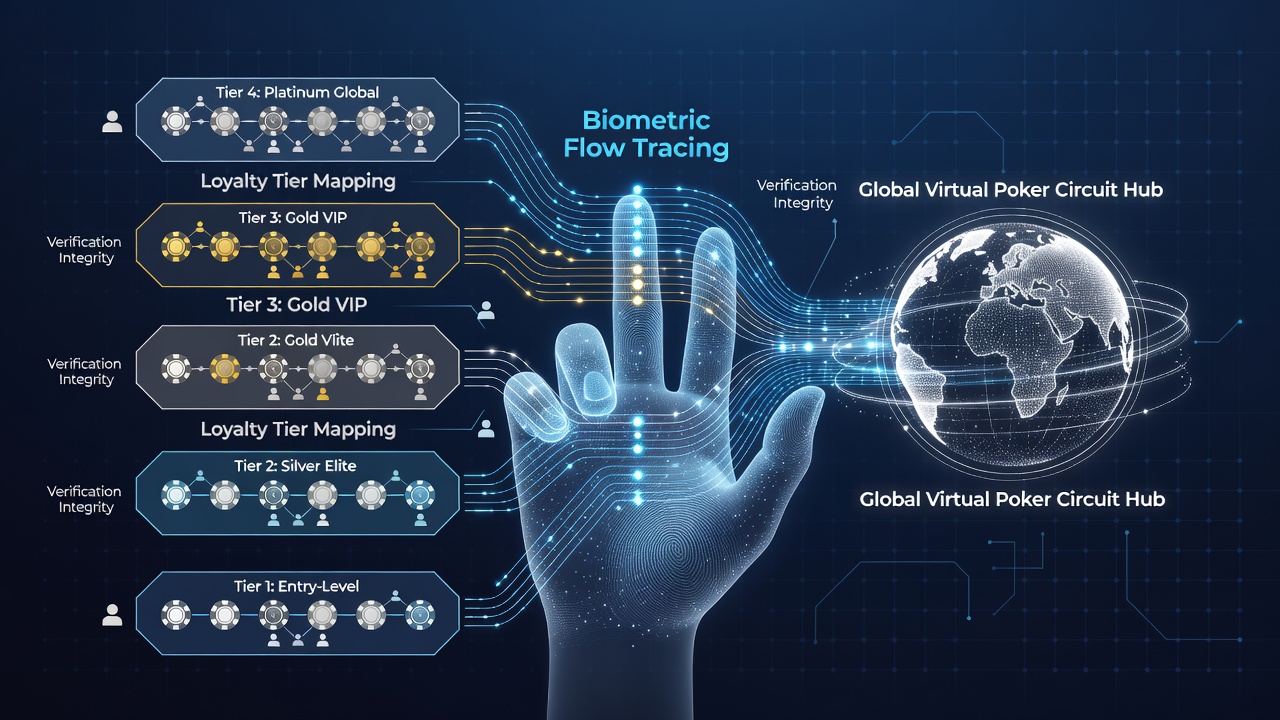
Users start the process by submitting government-issued identification documents alongside a live biometric capture which platforms then cross-reference against databases maintained by third-party verification providers, and this step establishes the baseline loyalty tier that determines how often subsequent verifications occur. Researchers have documented that entry-level tiers often require only a single facial scan at signup whereas progression to mid-level status activates periodic re-verification every ninety days to confirm account ownership and prevent sharing.
Progressive Verification Across Loyalty Layers
As participants advance through loyalty structures the verification depth increases with silver and gold tiers incorporating voice biometrics alongside fingerprint or palm-vein patterns for high-stakes table access and these additional layers reduce unauthorized account use according to statistics compiled by gaming technology firms. In July 2026 several major circuits plan to roll out unified biometric protocols that synchronize across European and North American servers to streamline cross-border play while complying with updated data protection rules.
Regional Adaptations in Global Circuits
Platforms adjust biometric flows to align with local oversight bodies so operators licensed in Pennsylvania follow stricter re-authentication intervals for premium loyalty members compared with those under Malta jurisdiction where emphasis rests on initial enrollment accuracy rather than repeated checks. Observers note that Asian markets integrate national identity systems directly into poker verification pipelines which allows faster tier progression for verified users but requires real-time data sharing agreements between operators and government agencies.
Integration with Transaction and Access Controls
Biometric confirmation gates both cash-out requests and entry into exclusive progressive jackpot tables so loyalty tier status directly influences whether a simple fingerprint suffices or a full multi-factor sequence becomes mandatory and transaction logs show reduced fraud incidents when these controls scale with player status. Studies conducted by university research teams have traced how delays in verification at higher tiers correlate with temporary access restrictions that encourage users to maintain active accounts through consistent play rather than abrupt withdrawals.
Technical Infrastructure Supporting the Flows
Cloud-based matching engines handle the comparison of live biometrics against stored templates while edge devices on mobile clients perform initial liveness detection to filter out static images or recordings before data reaches central servers, and this distributed approach keeps latency low for participants in loyalty programs across time zones. Industry associations report that encryption standards applied during transmission meet or exceed requirements set by multiple regulators which allows seamless operation within circuits spanning several continents.
Data Retention and Compliance Patterns
Operators retain biometric templates for periods dictated by loyalty program rules with lower tiers seeing data purged after twelve months of inactivity while top-tier accounts maintain records longer to support audit trails required by oversight entities, and compliance audits conducted in 2025 revealed that synchronized deletion schedules across global networks help platforms avoid conflicts between differing privacy statutes. Those who monitor these systems observe that retention policies also affect how quickly returning users regain tier benefits after periods of absence because re-enrollment triggers fresh verification sequences.
Conclusion
Biometric verification flows in global virtual poker circuits remain tightly coupled to layered loyalty structures with each tier dictating the frequency and complexity of checks that participants encounter during enrollment, gameplay, and withdrawal phases. Regional regulatory variations shape implementation details while technical infrastructure supports consistent performance across borders, and ongoing developments scheduled for 2026 point toward greater standardization that could further align these processes without compromising local compliance needs.