Seasonal Event Triggers Reshaping Loyalty Reward Cycles Inside Cross-Platform Virtual Card Networks
Eden Hayes · Jun 18, 2026
Seasonal Event Triggers Reshaping Loyalty Reward Cycles Inside Cross-Platform Virtual Card Networks
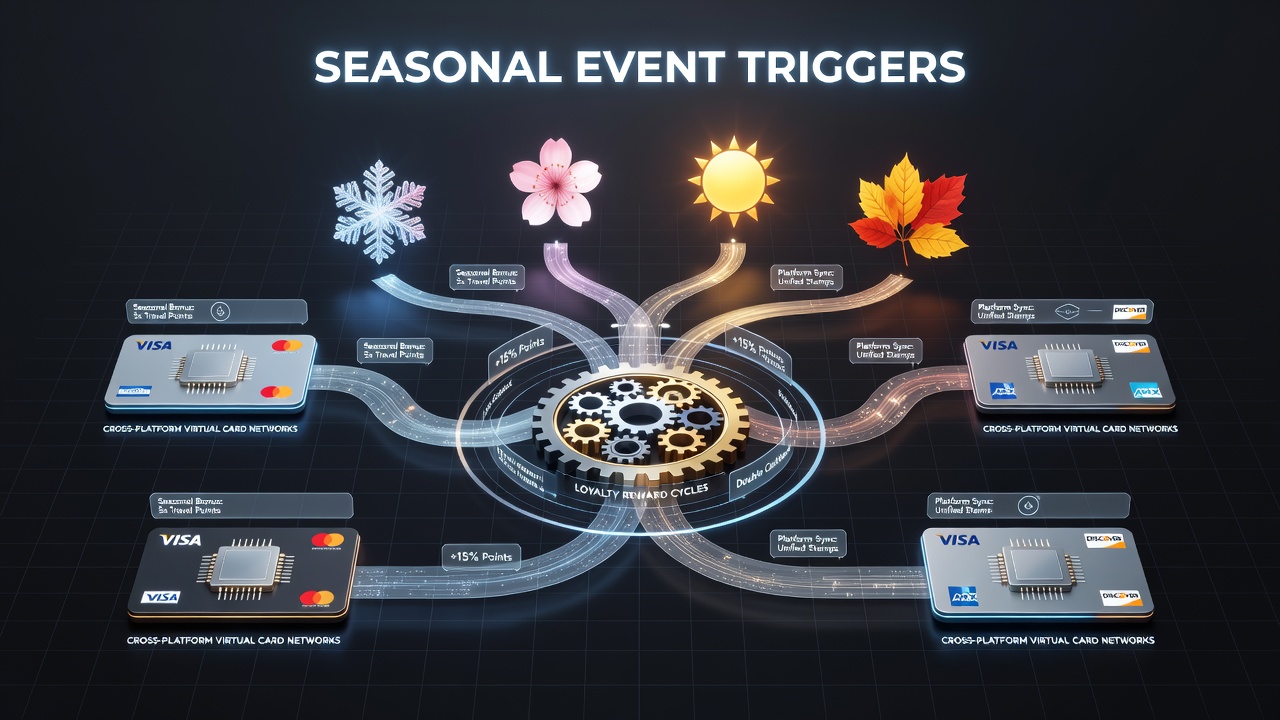
Seasonal event triggers have begun altering how loyalty reward cycles operate within cross-platform virtual card networks, and data from multiple operators shows these changes affecting point accumulation, redemption rates, and user engagement patterns across mobile, desktop, and console environments. Operators integrate calendar-based events such as holiday promotions and regional festivals directly into the reward algorithms, which then adjust bonus multipliers and tier progression speeds in real time. Research from industry tracking services indicates that these modifications create synchronized reward structures that respond to both global and localized seasonal peaks, allowing virtual cards to carry over benefits without resetting when users switch platforms.
Mechanics of Seasonal Integration in Virtual Networks
Virtual card networks function as unified ledgers that record player activity from various access points, and seasonal triggers overlay additional rules onto these ledgers during specific periods. When a summer festival campaign activates, for example, the system increases reward velocity for transactions completed between certain dates while maintaining baseline rates outside those windows. Observers note that this layered approach prevents fragmentation because the virtual card maintains a single identity across devices, yet the seasonal layer modifies how quickly points convert into tangible rewards such as free play credits or exclusive tournament entries. In June 2026 several networks plan to synchronize triggers with major sporting calendars, which will test whether simultaneous global events produce measurable spikes in cross-platform activity volumes.
Data Patterns Emerging from Event-Driven Adjustments
Figures released by the Nevada Gaming Control Board reveal that reward redemption volumes rise between 18 and 27 percent during event windows compared with non-event months, and similar patterns appear in reports from iGaming Ontario covering Canadian operators. These increases occur because seasonal triggers temporarily lower the point thresholds required for certain redemptions, encouraging users to consolidate activity onto their virtual cards rather than spreading transactions across disconnected loyalty programs. The adjustments also shorten the average cycle length from accumulation to redemption, with many users completing full cycles within a single event period instead of spreading activity across multiple months.
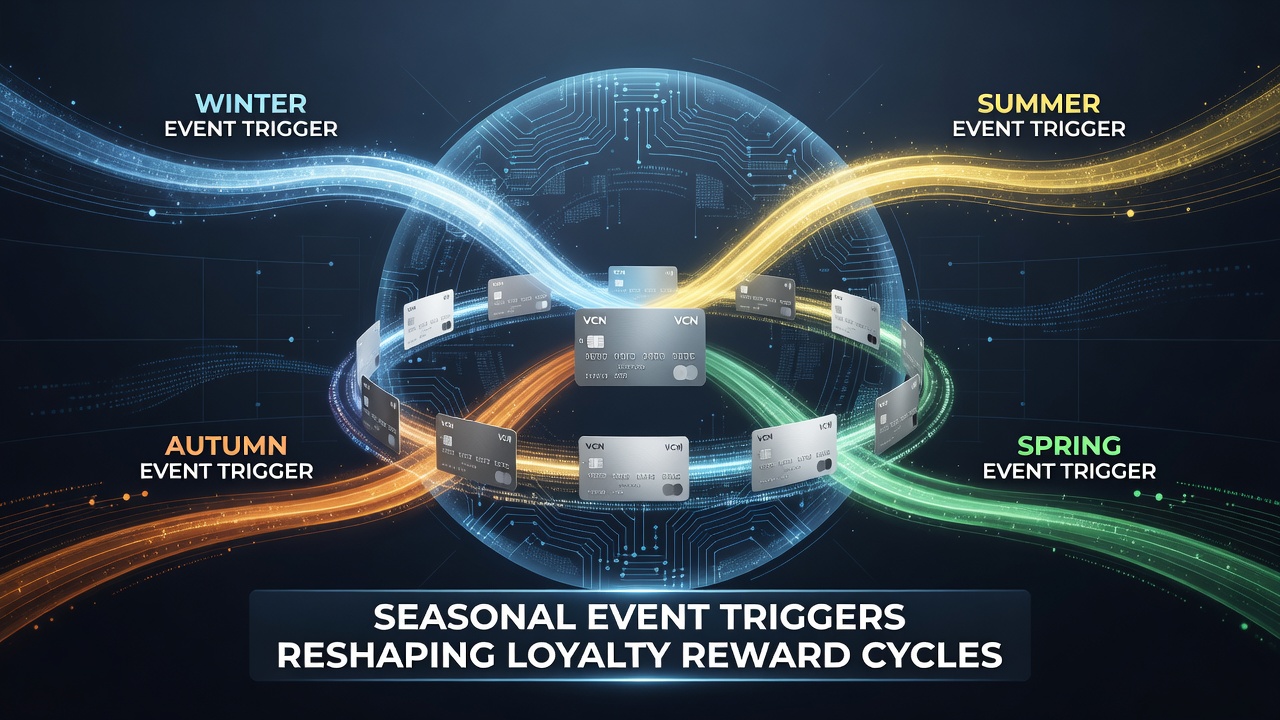
What's interesting is how the same virtual card can receive different multiplier values depending on the platform used during an event window. A player completing a deposit on a mobile app during a winter holiday trigger might earn 1.5 times the standard points, while the same action performed on a desktop version receives a 2 times multiplier if the network detects higher desktop traffic that day. Such platform-specific weighting keeps overall network balance while directing engagement toward underutilized channels during peak seasonal periods.
Cross-Platform Consistency and Technical Implementation
Technical teams maintain consistency by embedding seasonal rules into the core API layer that all connected platforms reference, and this architecture allows updates to propagate without requiring separate code releases for each device type. When an autumn harvest promotion launches, the network pushes a unified rule set that every platform reads identically, ensuring a user switching from tablet to smart TV experiences uninterrupted reward tracking. According to documentation from the Singapore Ministry of Home Affairs gaming division, operators must submit seasonal rule changes at least 30 days in advance, which creates predictable implementation timelines and reduces last-minute discrepancies across the network.
Regional Variations in Trigger Application
European operators often align seasonal triggers with cultural calendars that differ from North American schedules, and this produces staggered reward cycles within the same virtual card network when users travel or access content from different regions. A card issued under an Australian license might receive bonus points during the Melbourne Cup period while the same card, accessed from a European server, follows a separate Christmas market schedule. The network reconciles these differences through a master calendar that prioritizes the user's registered jurisdiction, yet still permits partial benefit carryover when the user crosses regional boundaries during active events.
Future Adjustments Scheduled for 2026
Planning documents indicate that June 2026 will introduce combined triggers linking seasonal weather patterns with sports tournaments, creating hybrid events that reward both participation frequency and geographic location data. These combined triggers will test whether virtual card networks can maintain reward fairness when multiple overlapping events activate simultaneously across different time zones. Operators expect the changes to further compress loyalty cycles because users will have more frequent opportunities to hit accelerated redemption milestones within shorter calendar windows.
Conclusion
Seasonal event triggers continue to evolve the operational logic of loyalty reward cycles inside cross-platform virtual card networks by introducing time-bound multipliers, platform-weighted incentives, and jurisdiction-specific calendars. Data from regulatory bodies and industry reports demonstrate measurable shifts in redemption timing and cross-device activity, while technical implementations ensure these adjustments remain consistent regardless of access method. As networks prepare for the layered events planned around June 2026, the core structure of virtual card rewards will likely accommodate even more granular seasonal inputs without disrupting the unified user experience across platforms.