Regulatory Frameworks Reshaping Promotional Structures in International Digital Gaming Networks
Taylor Beck · May 28, 2026
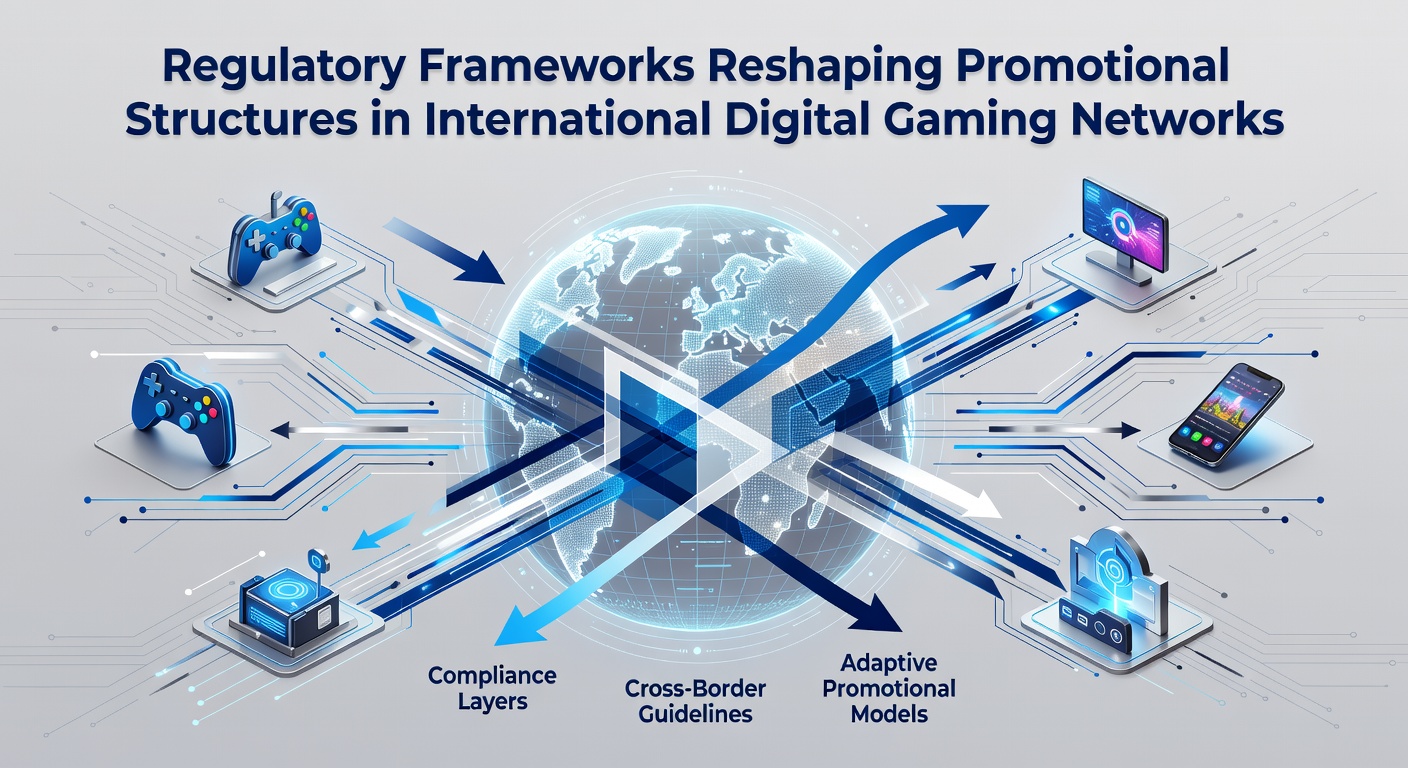
Regulatory Frameworks Reshaping Promotional Structures in International Digital Gaming Networks
Regulatory frameworks across multiple jurisdictions continue to influence how operators structure promotional offers within international digital gaming networks, and data from industry reports shows these changes affect bonus mechanics, loyalty programs, and marketing incentives in measurable ways. Governments and oversight bodies have introduced updated rules on consumer protection, anti-money laundering protocols, and advertising standards that directly constrain certain promotional tactics while encouraging others.
Core Regulatory Drivers Behind Structural Changes
Authorities in Europe, North America, and the Asia-Pacific region have aligned new directives with broader digital economy goals, and these measures require operators to verify player eligibility before activating deposit matches or free spin packages. Research indicates that restrictions on bonus wagering requirements have prompted networks to redesign reward systems around time-based play thresholds rather than deposit volume alone. According to the European Commission’s framework on online gambling, operators must now disclose all terms in standardized formats that reduce ambiguity in cross-border promotions.
Similar patterns appear in Canadian provincial regulations, where gaming commissions mandate clear separation between promotional funds and player deposits to prevent commingling issues. These rules have led networks to adopt segmented ledgers that track promotional credits separately from real-money balances, and the approach minimizes disputes during withdrawal processes.
Regional Implementation Patterns Emerging in 2025-2026
North American states with established online frameworks have synchronized their bonus approval processes with neighboring jurisdictions, which streamlines compliance for multi-state operators. In May 2026, several Australian state regulators plan to enforce updated advertising codes that limit the frequency of promotional push notifications sent to verified accounts. This timing aligns with broader federal reviews of digital platform accountability that began in late 2025.
Operators active in multiple markets report that harmonized reporting templates reduce administrative overhead, yet they also require more granular data on player segmentation for targeted offers. Industry associations note that such templates help smaller networks maintain competitive promotional calendars without triggering automatic reviews from oversight bodies.

Adjustments to Bonus Mechanics and Loyalty Structures
Networks have shifted away from unlimited free spin campaigns toward capped daily allocations tied to verified play sessions, and this change reflects stricter rules on inducement practices in several European markets. Data shows that loyalty tier systems now incorporate responsible gaming checkpoints before granting access to higher reward levels, which alters the traditional progression path for frequent players.
Payment method restrictions further influence promotional design, since certain jurisdictions prohibit bonuses on cryptocurrency deposits while permitting them on traditional banking rails. Operators respond by creating parallel promotion tracks that route eligible players toward approved funding sources, and this segmentation maintains engagement without violating local statutes.
Cross-Border Data Sharing and Compliance Requirements
International agreements on information exchange between regulators have expanded the scope of promotional audits, and networks must now maintain centralized records that satisfy multiple jurisdictions simultaneously. Research from academic studies on digital gambling governance highlights how shared databases enable faster detection of prohibited bonus stacking across borders.
One case involved a European operator that adjusted its global loyalty program after regulators in two regions flagged overlapping reward triggers as potential inducement violations. The network introduced jurisdiction-specific caps that preserved overall player retention metrics while meeting each authority’s distinct thresholds.
Future Trajectories for Promotional Frameworks
Proposals under consideration in several markets would introduce mandatory cooling-off periods between promotional activations, and these measures aim to reduce compulsive engagement patterns documented in longitudinal player studies. Networks are already testing modular promotion engines that allow real-time toggling of offer parameters based on a player’s registered jurisdiction.
Trade groups representing digital gaming operators have published voluntary guidelines that anticipate further tightening of cross-promotion rules between land-based and online platforms, and these documents encourage standardized disclosure formats that could become baseline requirements by 2027.
Conclusion
Regulatory frameworks continue to drive measurable evolution in how international digital gaming networks construct and deliver promotional structures, with changes centered on transparency, player segmentation, and cross-jurisdictional compliance. Observers tracking these developments note that operators who adapt early through modular systems maintain broader market access while satisfying diverse oversight requirements. The pattern of incremental alignment across regions suggests that promotional models will remain subject to ongoing refinement as new data on player behavior and regulatory effectiveness becomes available.