Navigating Currency Volatility Effects on In-Game Economy Adjustments Within International Digital Gaming Networks
Taylor Beck · Jul 25, 2026
Navigating Currency Volatility Effects on In-Game Economy Adjustments Within International Digital Gaming Networks
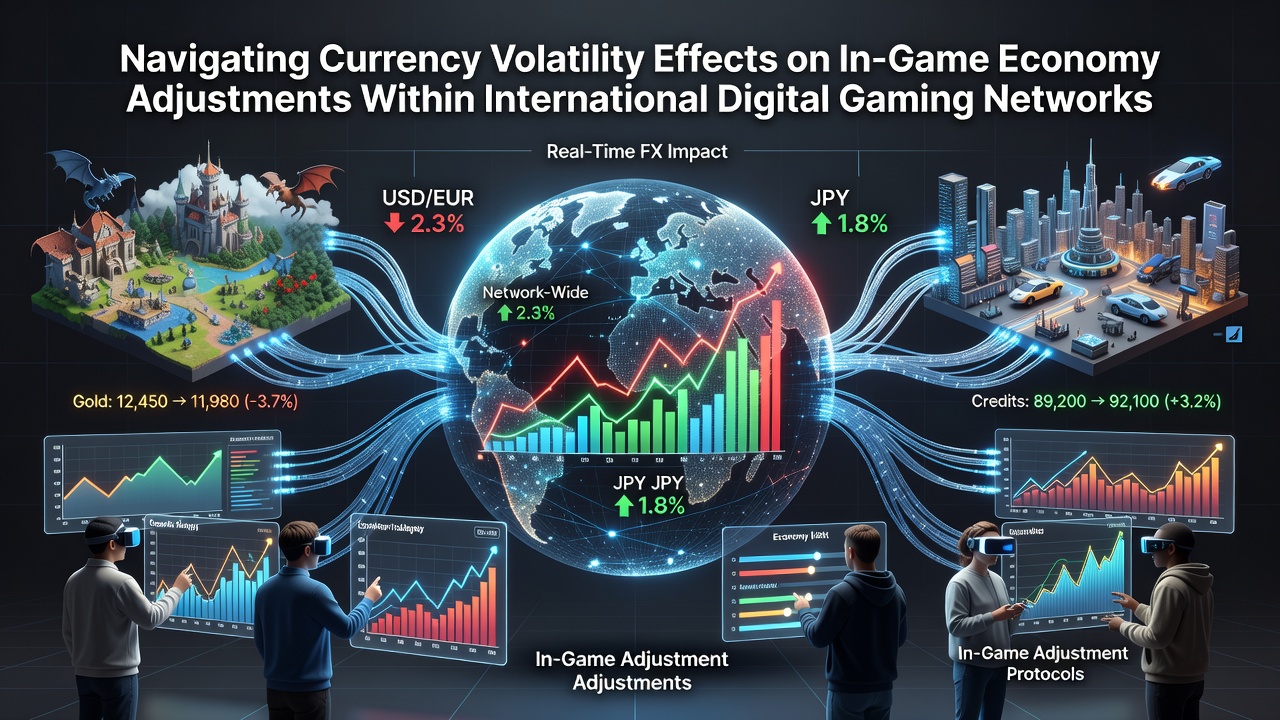
International digital gaming networks connect players across continents where real-world currency swings directly influence virtual item pricing, subscription models, and resource distribution systems. Game operators monitor exchange rate movements daily because shifts in major currencies like the euro, yen, or Brazilian real can alter the cost of microtransactions and premium currencies within hours. Data from the Bank for International Settlements shows that emerging market currency swings reached 15 percent volatility levels in several quarters between 2024 and 2025, prompting studios to recalibrate in-game exchange rates more frequently than before.
How Volatility Reaches Virtual Markets
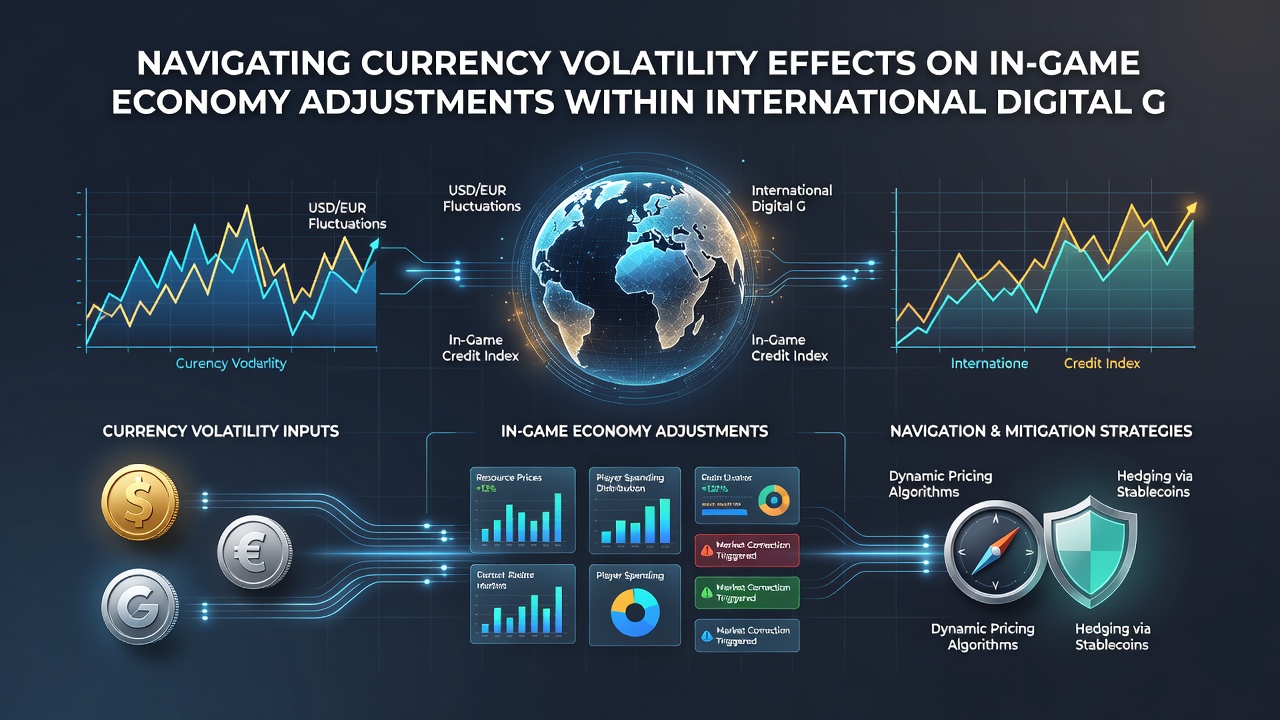
Players purchase virtual goods using local payment methods that convert to the network's base currency, yet sudden depreciation in one region can make the same item bundle appear overpriced compared with neighboring markets. Studios respond by implementing dynamic pricing engines that pull real-time forex feeds and apply regional multipliers while maintaining overall revenue targets. Those who track these adjustments note that popular battle-pass systems often receive small price tweaks within 48 hours of a major currency movement exceeding 3 percent against the US dollar.
Multiplayer economies add another layer because player-to-player trading platforms reflect local purchasing power. When the South African rand weakened sharply in early 2025, traders on global auction houses adjusted listing prices upward to preserve equivalent value, creating temporary arbitrage windows that network operators later closed through transaction fee modifications. Research published by the OECD highlights similar patterns across several large-scale role-playing titles where cross-border trade volumes dropped 8 percent during periods of elevated volatility before stabilizing after developer interventions.
Adjustment Mechanisms Used by Networks
Developers employ several tools to maintain balance. Regional storefronts display localized prices that update automatically through integrated financial data services, while some networks introduce temporary promotional bundles targeted at markets experiencing currency stress. In July 2026, several major platforms plan to roll out enhanced API connections with central bank data feeds to shorten the lag between rate changes and in-game price updates. These upgrades aim to reduce player complaints about sudden cost increases that previously took days to address.
Subscription tiers present particular challenges because annual plans lock in rates at purchase time, leaving operators exposed when currencies move against them. Some networks now offer shorter renewal cycles or allow mid-term conversions to local-currency billing when volatility thresholds are crossed. Observers note that retention metrics in affected regions improve when such flexibility is introduced promptly.
Player Behavior and Regional Differences
Engagement patterns shift noticeably when exchange rates move. Users in high-volatility regions often delay non-essential purchases until prices stabilize or switch to free-to-play options within the same network. Studies from academic teams at the University of Melbourne indicate that session lengths in affected markets can contract by up to 12 percent during the first week after a significant rate swing before recovering as prices adjust. Meanwhile, players in more stable currency zones sometimes accelerate spending to take advantage of temporarily favorable conversion rates.
Community forums frequently document these effects through shared screenshots of price changes, and operators monitor sentiment scores to time compensatory events such as bonus resource drops. The approach helps offset perceived value loss without permanently altering baseline pricing structures across the entire network.
Regulatory and Infrastructure Factors
Cross-border payment regulations add constraints to how quickly adjustments can occur. Certain jurisdictions require advance notice for price modifications, forcing networks to build buffer periods into their volatility response models. Industry reports from the Canadian Gaming Association show that operators serving multiple regulatory environments maintain separate pricing rule sets that activate based on the player's registered location rather than current IP address.
Infrastructure investments in localized servers and payment gateways continue to expand, allowing finer control over currency exposure. Networks that invested early in these systems report lower revenue leakage during volatile periods compared with those relying on global billing processors alone.
Conclusion
Currency volatility continues to shape how international digital gaming networks calibrate their internal economies. Operators rely on real-time data integration, regional pricing tools, and player feedback loops to keep virtual markets functional across fluctuating exchange landscapes. As new payment standards and API connections come online in 2026, the speed and precision of these adjustments are expected to improve further while preserving competitive balance for participants worldwide.