Mapping Intersections Between Transaction Protocol Variations and Engagement Flows Within Browser-Based Progressive Networks
Clara Wagner · Jul 18, 2026
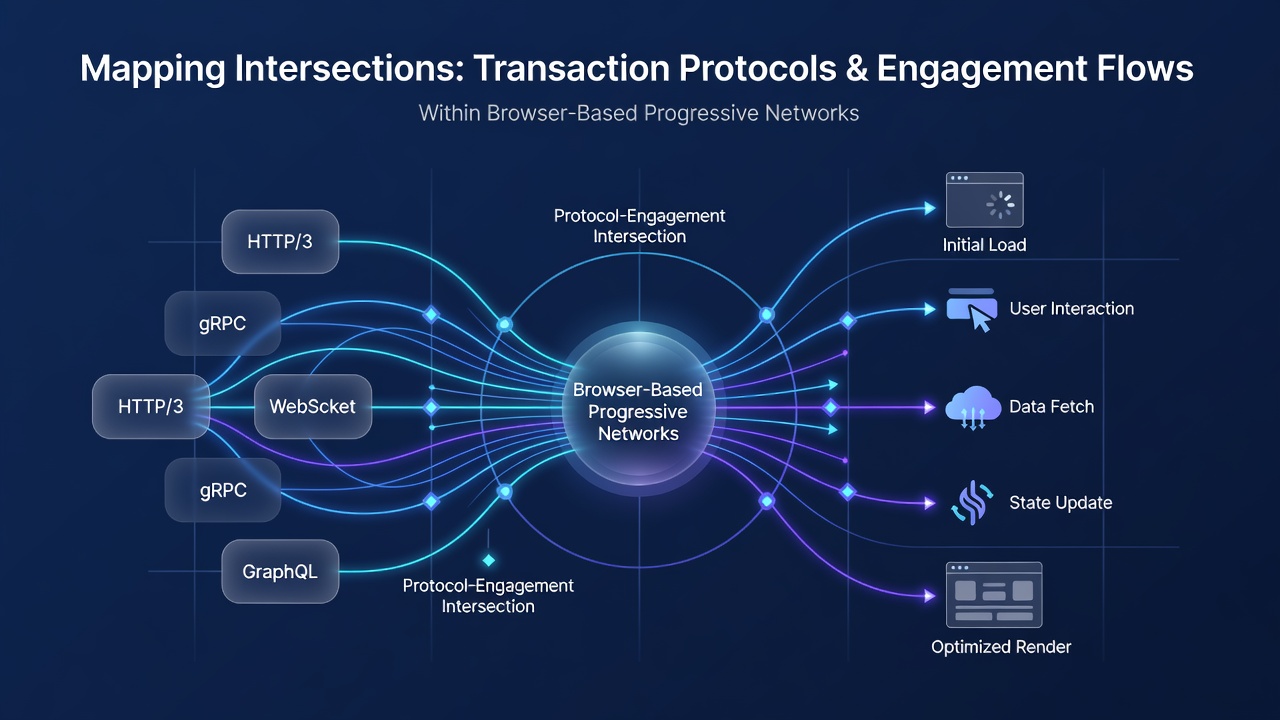
Mapping Intersections Between Transaction Protocol Variations and Engagement Flows Within Browser-Based Progressive Networks
Browser-based progressive networks rely on layered transaction protocols that determine how funds move through systems while users interact with accumulating jackpot pools, and researchers have documented clear intersections between these elements across multiple platform architectures since the early 2020s.
Core Components of Transaction Protocols in Progressive Systems
Transaction protocols vary widely in browser environments, ranging from traditional credit card gateways and e-wallet integrations to blockchain-based verification layers, each carrying distinct latency profiles and authentication sequences that shape subsequent user actions. Data from payment infrastructure analyses show that protocols supporting instant confirmation reduce drop-off rates during jackpot contributions, whereas multi-step verification flows tend to extend session durations before users reach engagement peaks. Those who study these patterns note that protocol choice directly influences how progressive meter updates appear in real time, creating feedback loops where faster settlements encourage repeated stake adjustments within the same browser session.
Engagement Flow Patterns Across Network Types
Engagement flows describe the sequence of user decisions from initial network entry through repeated interactions with progressive elements, and studies tracking browser telemetry reveal that these flows adapt according to the underlying payment rails. In networks using API-driven instant transfers, participants often maintain longer active periods because balance updates occur without page reloads, whereas legacy batch processing protocols create noticeable pauses that interrupt momentum. Observers note that progressive networks built on unified protocols exhibit more predictable flow structures, with peak engagement clustering around meter milestone announcements, while heterogeneous protocol environments produce fragmented paths marked by repeated authentication prompts.
Documented Intersections and Mapping Approaches
Mapping these intersections requires overlaying protocol metadata onto engagement timelines, and several research teams have applied graph-based models to visualize how specific protocol attributes correlate with flow branches. One approach involves tagging each transaction event with its protocol signature then aligning those tags against engagement metrics such as time spent viewing progressive meters or frequency of stake changes. Figures released in mid-2025 by academic consortia demonstrated that networks supporting both fiat and cryptocurrency protocols display wider engagement variance, with users switching between protocols mid-session showing distinct retention curves compared with single-protocol cohorts. This mapping work highlights nodes where protocol handoffs coincide with flow acceleration or abandonment, providing platform operators with actionable topology data.
Additional complexity arises when regulatory updates alter protocol availability, as seen when new verification standards rolled out across certain jurisdictions in early 2026. Those adjustments forced some networks to reroute transaction paths, which in turn shifted engagement peaks toward periods when alternative protocols remained active. Research indicates that such rerouting produced measurable changes in how users navigated progressive contribution screens, particularly during high-traffic evening windows.
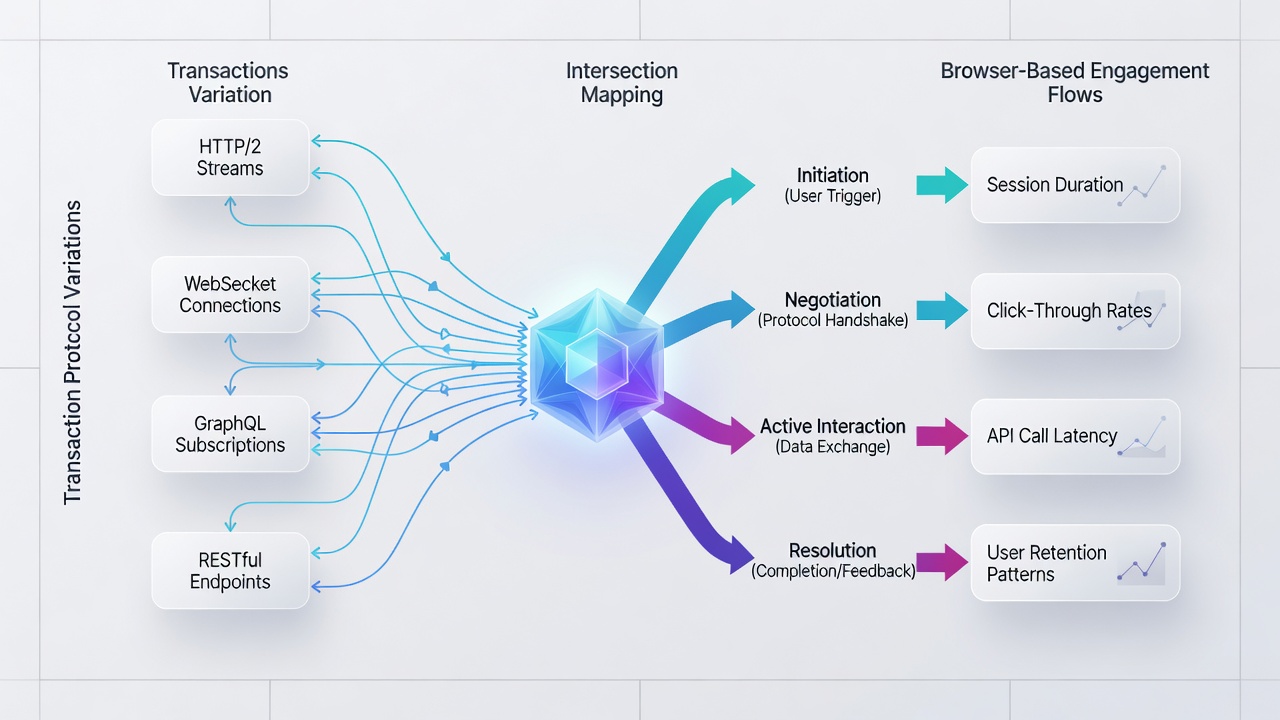
Regional Variations and Data Trends Through Mid-2026
Regional differences in protocol adoption create further mapping layers, and reports compiled by payment standards bodies across North America and the Asia-Pacific region document how local infrastructure shapes browser-based engagement. In markets where open banking protocols gained traction, progressive networks recorded higher rates of micro-transaction activity tied to meter growth, whereas regions relying on card-not-present flows showed steadier but less frequent engagement spikes. Data released in July 2026 by the National Indian Gaming Commission indicated continued expansion of browser-accessible progressive offerings among tribal operations, with protocol diversity correlating to broader participation patterns across monitored sites.
Industry organizations such as the Gaming Standards Association have published technical briefs outlining recommended mapping frameworks that operators can apply to their own telemetry. These frameworks emphasize timestamp alignment between protocol events and engagement signals, enabling clearer identification of friction points where users disengage before completing contribution cycles. Analysts applying these methods report that networks standardizing on fewer protocols often achieve more uniform flow distributions, reducing variance in session length across user segments.
Conclusion
The intersections between transaction protocol variations and engagement flows continue to evolve as browser technologies and payment standards advance in parallel. Comprehensive mapping efforts provide the clearest view of these dynamics, revealing how protocol attributes translate into measurable differences in how users interact with progressive network features. Ongoing data collection through 2026 and beyond will refine these models, supplying operators with increasingly precise tools for aligning protocol infrastructure with desired engagement outcomes across diverse browser environments.