Decoding Loyalty Tier Benefits Within Multi-Platform Slot Ecosystems
Clara Wagner · Jun 27, 2026
Decoding Loyalty Tier Benefits Within Multi-Platform Slot Ecosystems
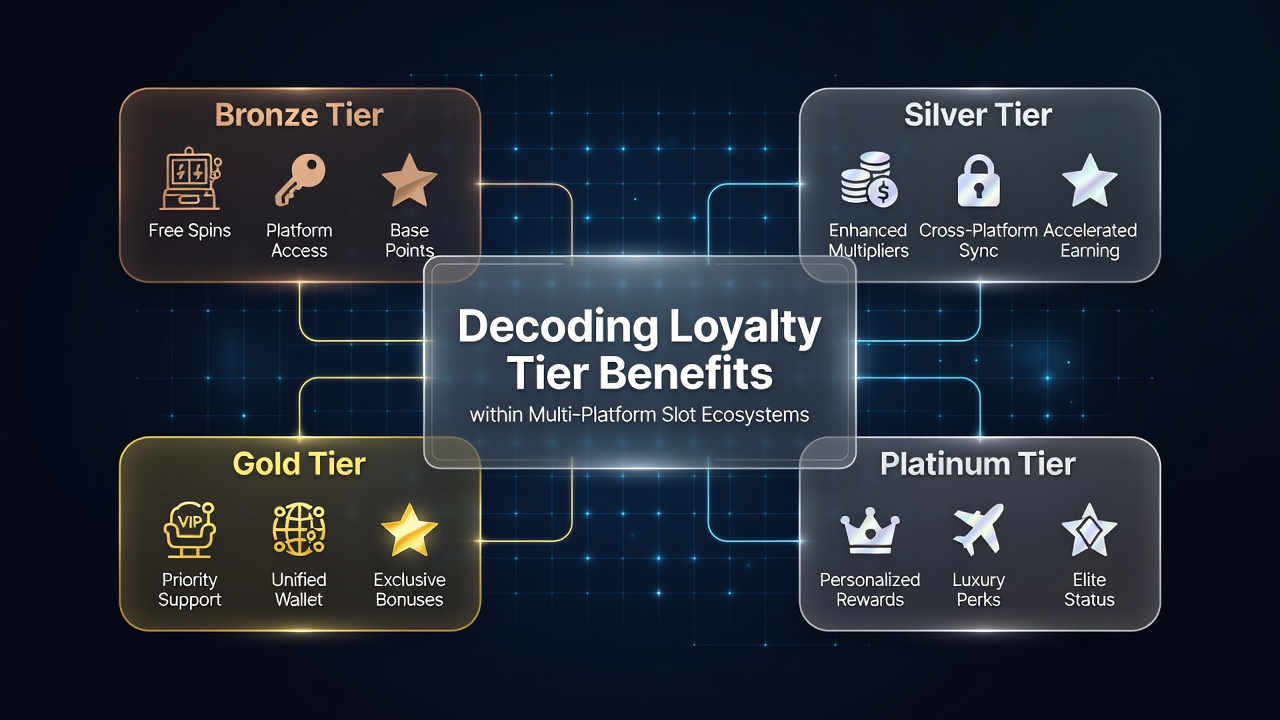
Operators have built interconnected slot networks that track player activity across desktop sites, mobile apps, and in some cases partnered land-based venues, creating unified loyalty programs where points earned in one environment convert directly to tier status visible everywhere. These systems assign players to levels such as entry, mid, and premium tiers based on cumulative wagering volume, time spent, and frequency metrics collected in real time. Tier advancement typically resets on an annual cycle, though some networks allow rolling qualification periods that carry forward partial progress from prior months. Data compiled by platform providers indicates that players reaching mid-tier status receive automated upgrades within 24 hours of meeting thresholds, while premium levels often require manual verification of identity documents to unlock full access.Core Mechanics of Point Accumulation
Points accrue at base rates tied to coin-in totals, with multipliers applied during promotional windows or for specific game categories such as progressive jackpot titles. One operator network reported in its 2025 transparency filing that base conversion sits at one point per 10 units wagered on standard reels, rising to one point per 5 units on designated high-volatility titles during June 2026 campaigns.
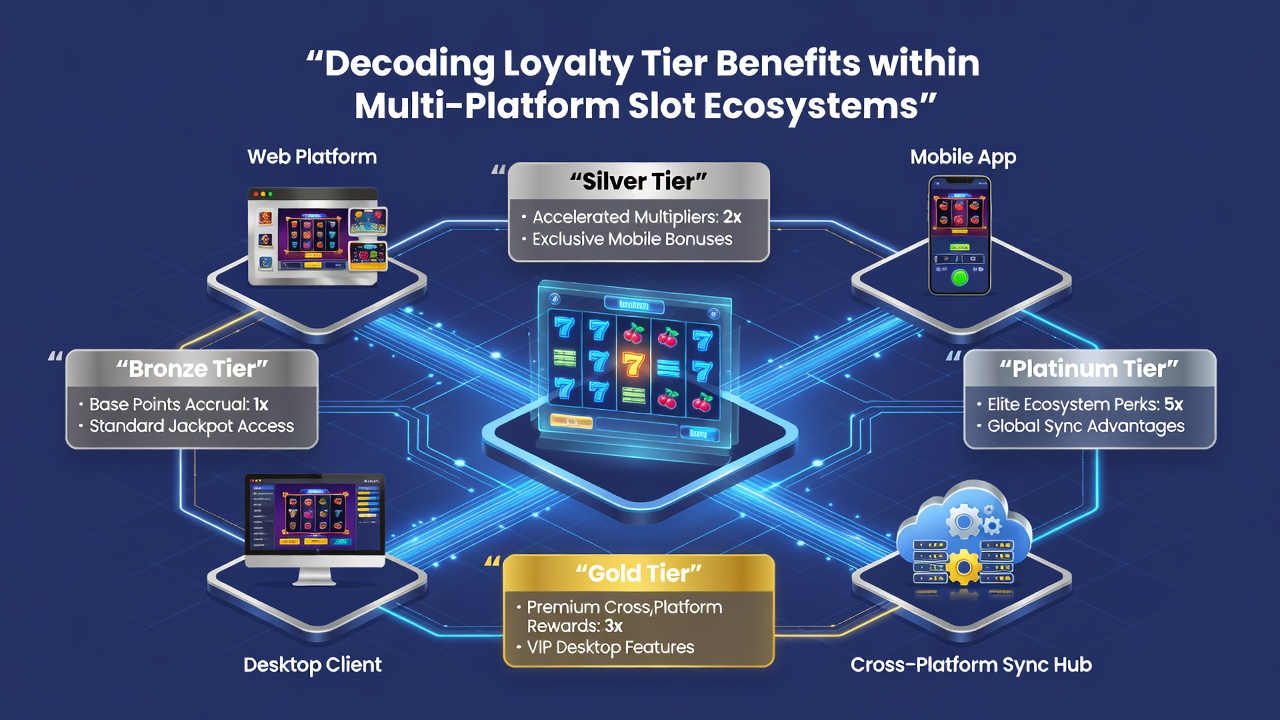
Cross-platform synchronization means activity on a mobile app updates the same ledger used for desktop sessions, eliminating separate balances that once required manual transfers. Integration protocols also pull data from affiliated physical properties when partnerships exist, though regulatory rules in certain jurisdictions limit how quickly land-based play feeds into digital profiles.
Benefit Categories by Tier Level
Entry-level participants receive standard cashback percentages on net losses, usually ranging from 5 to 10 percent, alongside occasional free spin packages delivered via email or in-app notification. Mid-tier players gain access to higher cashback caps, personalized game recommendations generated by algorithmic analysis of past sessions, and reduced wagering requirements on deposit bonuses.
Premium tiers add expedited withdrawal processing, dedicated account managers, and invitations to exclusive tournament series where prize pools derive from pooled contributions across all platforms. Observers note that these higher tiers frequently include birthday credits and anniversary rewards scaled to average monthly activity, with values documented in operator terms ranging from 50 to 500 units depending on historical volume.
Redemption Pathways and Restrictions
Points convert to playable credits, merchandise, or event tickets through an in-platform store that updates inventory monthly. Conversion ratios differ by tier, with premium members often receiving 20 to 30 percent better value per point according to internal metrics shared in industry briefings. Restrictions commonly include minimum redemption thresholds and exclusion periods around major sporting events when network traffic peaks.
Multi-platform ecosystems enforce unified responsible gambling limits that apply across all channels, so a self-exclusion request initiated on mobile automatically blocks desktop access and vice versa. Regulatory filings from Canadian provincial bodies show these unified controls reduced repeat self-exclusion violations by measurable margins in the 2024-2025 reporting period.
Technological Infrastructure Supporting Tier Tracking
Backend systems rely on centralized player databases that reconcile activity logs every few minutes, using encrypted identifiers to maintain privacy while enabling seamless tier recognition. Third-party auditors verify that point calculations align with published formulas, and discrepancies trigger manual reviews completed within five business days.
June 2026 updates introduced enhanced API connections allowing third-party game studios to feed activity data directly into loyalty engines without intermediary processing delays. These changes reduced the average time between wager and point credit from 45 seconds to under 10 seconds on participating networks.
Regional Variations in Program Design
European operators tend to emphasize tournament access and merchandise redemptions, while North American platforms allocate more value toward cashback and deposit match enhancements. Australian frameworks require clear disclosure of tier qualification criteria in all marketing materials, a rule enforced through periodic compliance audits.
According to a report issued by the Alcohol and Gaming Commission of Ontario, networks operating across multiple channels reported a 12 percent increase in tier retention rates after implementing unified dashboards in early 2025. Similar patterns appear in filings from the Nevada Gaming Control Board, where cross-platform programs showed steady growth in active premium accounts.
Conclusion
Multi-platform loyalty structures continue to evolve through tighter integration of tracking systems, refined benefit scaling, and regulatory alignment across jurisdictions. Players encounter consistent tier recognition regardless of access method, while operators gain detailed behavioral data that informs future reward adjustments. As synchronization protocols advance, the distinction between separate platform programs narrows further, producing single unified ecosystems where tier status travels with the account across every connected environment.