Decoding Intersections of Transaction Protocols and Entry Incentives Across Handheld Amusement Networks
Clara Wagner · May 23, 2026
Decoding Intersections of Transaction Protocols and Entry Incentives Across Handheld Amusement Networks
Handheld amusement networks operate through layered systems where transaction protocols manage payments and data flows while entry incentives shape initial user engagement and retention patterns, and these elements intersect in ways that influence platform architecture across global markets.
Transaction Protocols in Mobile Gaming Environments
Transaction protocols in handheld amusement networks encompass standardized methods for processing deposits, withdrawals, and in-app purchases, and they rely on secure APIs that integrate with mobile operating systems such as iOS and Android. These protocols support multiple payment rails including digital wallets, bank transfers, and tokenized card systems, while data encryption standards ensure compliance with regional financial regulations.
Observers note that protocol efficiency often determines how quickly users access games after completing entry steps, and platforms that employ real-time settlement mechanisms see higher completion rates during onboarding sequences. Research from industry bodies indicates that in 2025 mobile gaming transactions exceeded $90 billion globally, with handheld networks accounting for a significant share through seamless protocol handoffs between devices and servers.
Entry Incentives and User Acquisition Strategies
Entry incentives across these networks typically include welcome packages, matched deposits, and free-play credits that activate upon first account creation or initial transaction, and they function as mechanisms to lower barriers for new participants. Data from gaming analytics firms shows that incentive structures vary by region, with North American platforms favoring loyalty points tied to protocol-verified deposits while European operators emphasize time-limited credits distributed through app notifications.
Those who study user behavior patterns report that incentives tied directly to protocol milestones, such as verified first payments, produce stronger retention signals than generic offers, and this linkage encourages platforms to embed incentive triggers within transaction workflows rather than as separate promotional layers.
Intersections and System Dynamics
The intersection occurs where transaction protocols validate user actions that unlock entry incentives, creating feedback loops that affect both revenue streams and compliance requirements, and platforms design these connections to minimize fraud while maximizing engagement velocity. For instance, a protocol that confirms a deposit within seconds can automatically release an incentive credit, whereas delays in verification often lead to abandoned sessions.
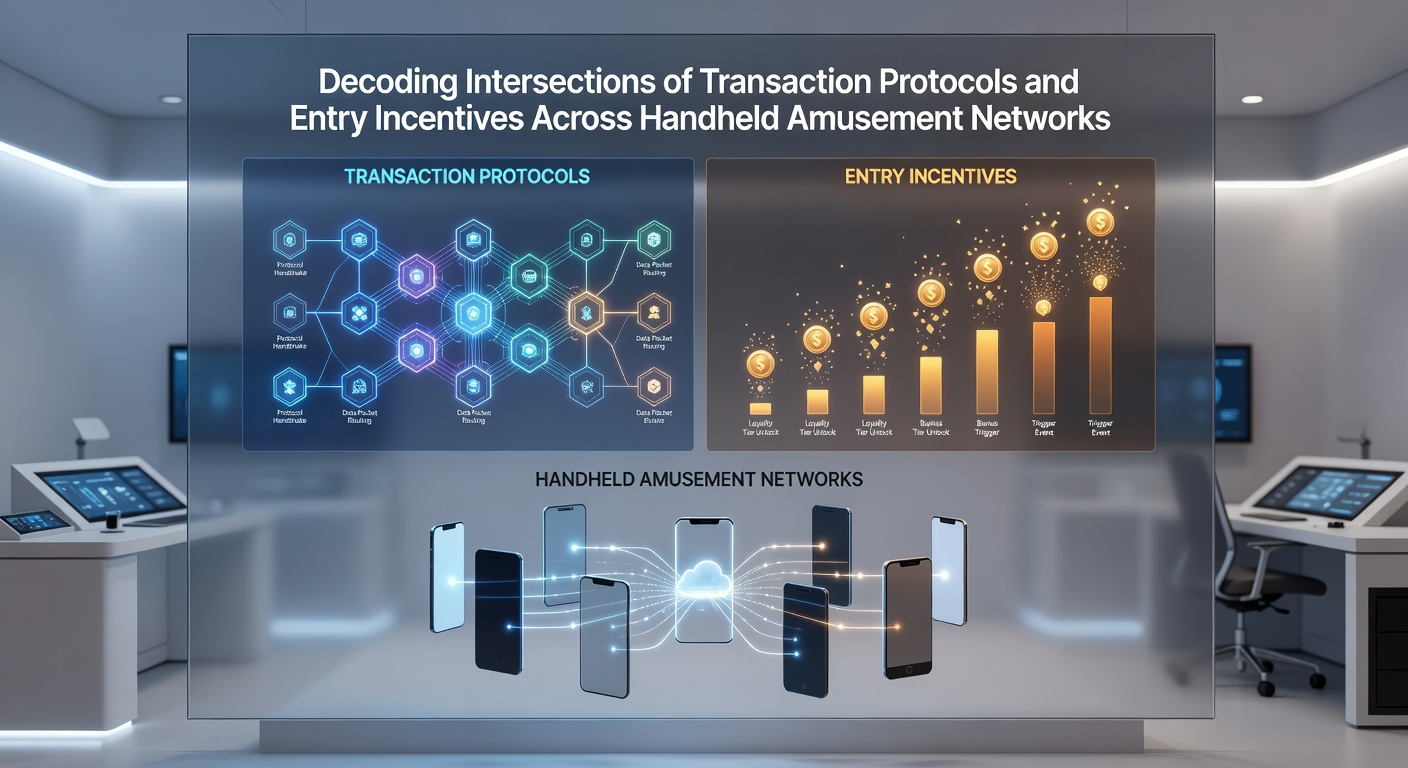
Analysts at academic institutions including the University of Nevada's gaming research center have documented how these intersections influence network scalability, and their findings reveal that integrated systems handle peak loads during promotional periods more effectively than siloed approaches. In May 2026 several Asian markets are scheduled to introduce updated mobile payment directives that will require enhanced protocol authentication for incentive distribution, and this development will likely prompt operators to refine their handheld network architectures accordingly.
Regional Variations and Implementation Examples
Across different jurisdictions the balance between protocol robustness and incentive flexibility shifts according to local rules, and Australian regulatory frameworks emphasize responsible incentive caps linked to verified transaction histories whereas Canadian provincial systems allow broader experimentation with protocol-incentive pairings in licensed mobile environments. One study from the Asia-Pacific Gaming Association examined over 200 handheld platforms and found that those aligning incentive releases with multi-factor protocol checks experienced lower dispute rates.
What's notable is how these regional differences drive innovation in protocol design, such as the adoption of blockchain-based ledgers in certain networks to create immutable records of incentive activations tied to specific transactions, and this approach provides clearer audit trails for regulators monitoring cross-border activity.
Technical Challenges and Emerging Solutions
Technical challenges arise when transaction protocols must accommodate diverse incentive types without introducing latency, and developers address this through modular API designs that separate verification from reward distribution yet maintain synchronized data states. Evidence from platform performance reports suggests that networks incorporating predictive analytics into protocol layers can anticipate incentive claims and pre-allocate resources, which reduces processing bottlenecks during high-traffic periods.
Yet the reality remains that evolving security standards continue to reshape these intersections, and operators must adapt protocols to support new authentication methods while preserving the immediacy that entry incentives demand from users on handheld devices.
Conclusion
Handheld amusement networks continue to refine the connections between transaction protocols and entry incentives through iterative system updates and regulatory adaptations, and these developments shape how users experience initial engagement across mobile platforms worldwide. As new directives take effect in 2026 and beyond, the emphasis on synchronized protocol-incentive frameworks will likely persist as a core element of network operations.