Deciphering How Verification Timelines Intersect With Access Patterns to Exclusive Progressive Jackpot Networks in Browser-Based Table Environments
Eden Hayes · Jun 6, 2026
Deciphering How Verification Timelines Intersect With Access Patterns to Exclusive Progressive Jackpot Networks in Browser-Based Table Environments
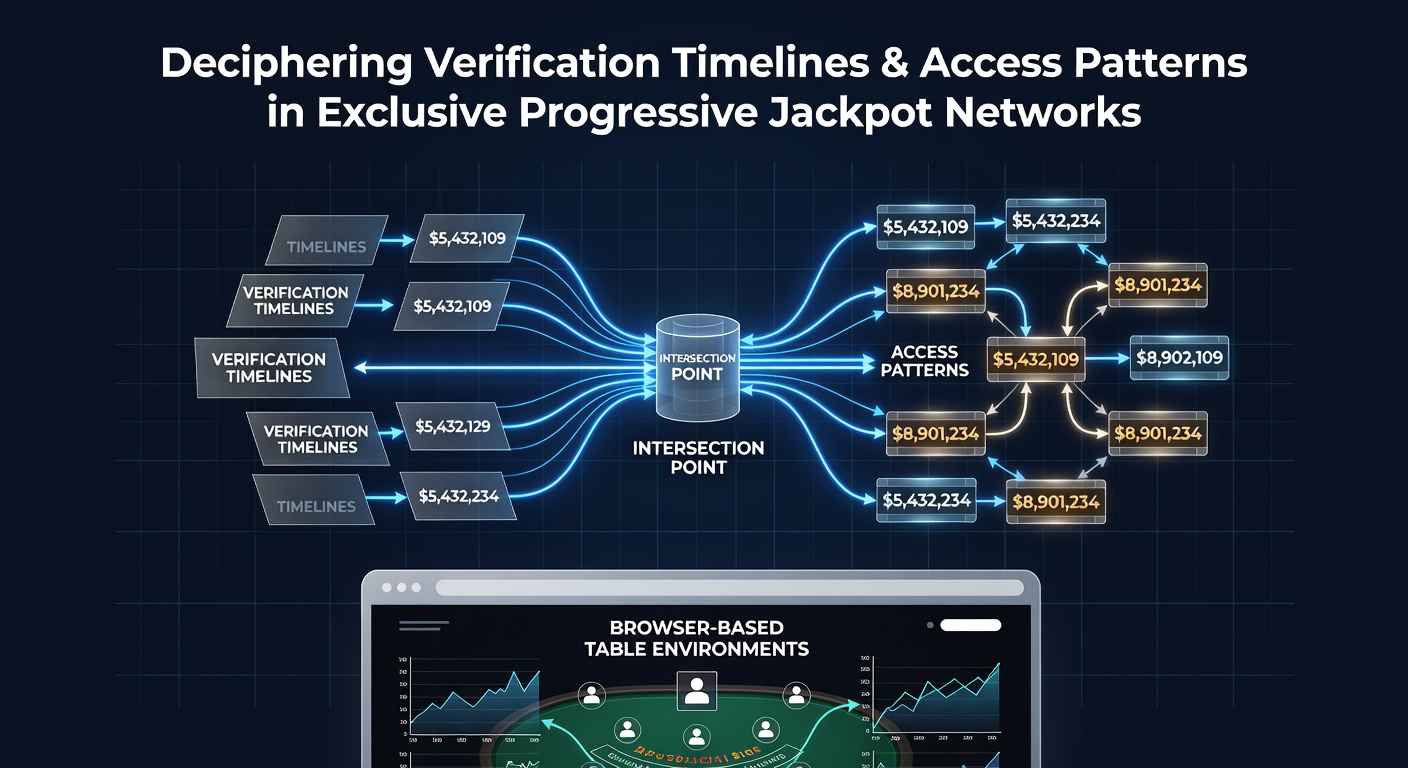
Browser-based table environments host progressive jackpot networks that connect multiple games across operators while verification processes determine when players gain entry to those shared pools and data from regulatory filings shows timelines ranging from minutes to several days depending on jurisdiction and document submission speed. Those timelines directly shape access patterns because networks often gate participation behind completed identity checks before any jackpot contributions accumulate toward the shared prize.
Core Mechanics of Progressive Networks in Browser Tables
Progressive jackpot systems link browser-based blackjack, roulette and poker tables so each wager adds a fraction to a growing total and operators route contributions through centralized servers that update in real time yet require verified accounts to join the pool. Industry reports from the Nevada Gaming Control Board indicate that participating sites must maintain audit logs of every connection attempt which creates traceable patterns in when and how often players attempt access after initial registration.
Verification steps typically include identity document upload, address confirmation and sometimes biometric checks and once those clear the account unlocks network participation. Research from the European Gaming and Betting Association reveals average clearance times vary by region with automated systems handling many cases in under an hour while manual reviews extend to 48 hours or more when volume spikes.
Verification Timelines Across Jurisdictions
Regulatory frameworks set minimum standards for player checks and those standards influence how quickly users reach exclusive progressive tiers. In Nevada and several Canadian provinces operators must complete checks before allowing real-money wagers on linked progressives and figures released in early 2025 showed 78 percent of submissions processed within four hours when documents matched database records exactly.
June 2026 marks the scheduled rollout of updated digital identity protocols in multiple Australian states and those changes aim to shorten average verification from 36 hours to under six by integrating government databases directly into operator platforms. Observers note that such shifts will likely alter access patterns as players who previously waited overnight gain same-session entry to growing jackpots.
Access Patterns Shaped by Browser Environments
Browser sessions introduce unique variables because cookies, cache settings and device fingerprinting affect how verification systems recognize returning users and studies of traffic logs demonstrate that players who complete checks on desktop browsers often return via mobile browsers within the same day yet face re-authentication prompts if session tokens expire. This creates clustered access spikes around evening hours in European markets where progressive tables see peak contributions after verification windows close.
Data from operator analytics platforms shows verified users tend to concentrate bets on tables with the largest current jackpots once access opens whereas unverified accounts remain in free-play modes without contributing to the pool. Those patterns become visible in heat maps that track contribution volume by verification status and time of day.
Intersection Points Between Timelines and Patterns
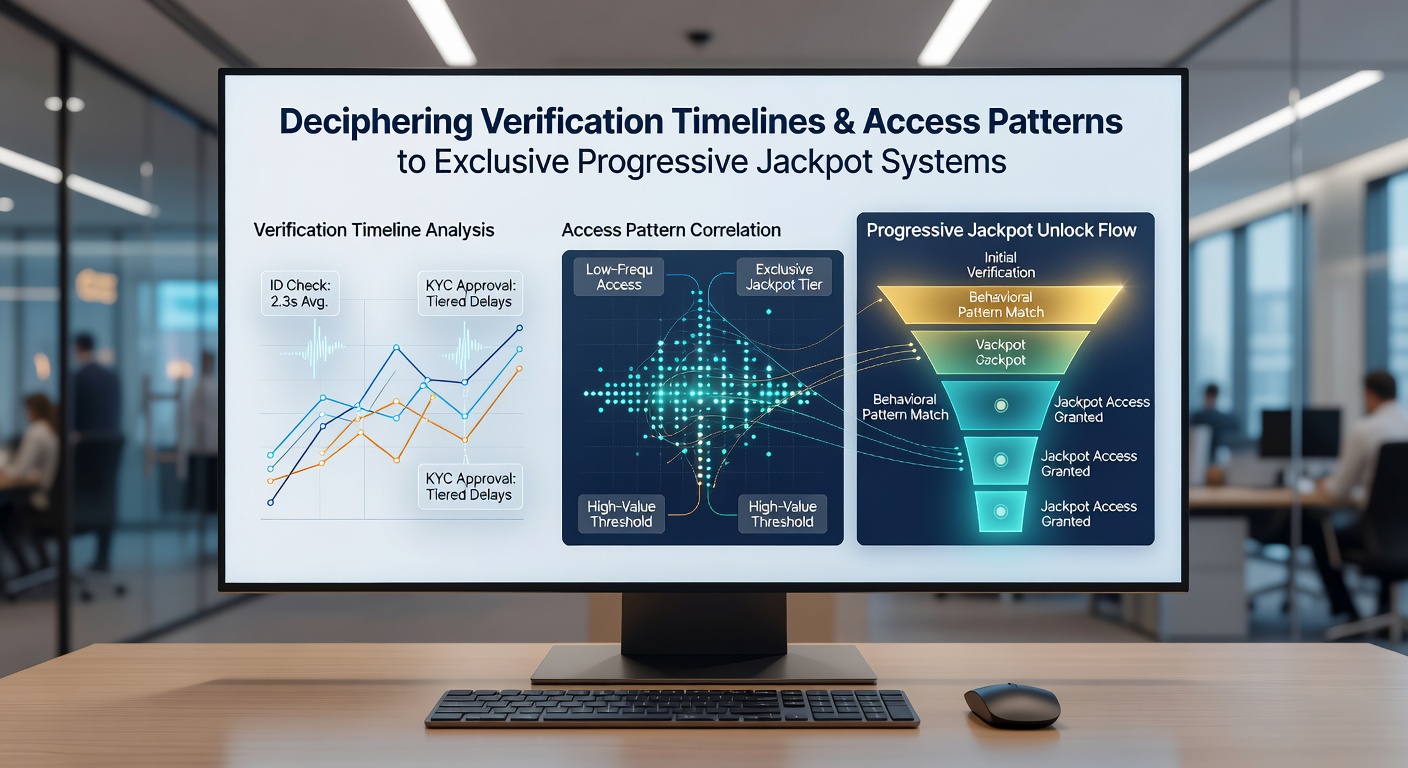
The intersection appears most clearly in delayed contribution phases where a player registers, submits documents and waits for approval before placing bets that feed the progressive meter. Longer timelines reduce overall network liquidity because fewer accounts reach the contribution stage during any given session window and simulation models from university gaming research groups estimate a 12 to 15 percent drop in daily jackpot growth when average verification exceeds 24 hours.
Browser-based environments amplify this effect through session persistence features that retain partial progress across tabs yet still block jackpot participation until full clearance. Players who abandon incomplete verification attempts create measurable drop-off rates in access logs and those rates climb when verification portals require multiple device switches or additional selfie submissions.
Technical and Regulatory Influences on Future Access
Emerging standards scheduled for June 2026 in select jurisdictions will require real-time database queries that could compress verification into seconds for many users while maintaining security layers. Such compression stands to flatten access patterns by allowing immediate entry to exclusive networks rather than staggered participation based on manual review queues.
Operators already experiment with tiered access models that grant limited progressive entry after basic checks and full network privileges after complete verification and early deployment data indicates these models sustain higher contribution rates across browser sessions. Regulatory bodies continue to monitor these models to ensure compliance with responsible gaming thresholds while preserving network integrity.
Conclusion
Verification timelines and access patterns remain tightly coupled in browser-based progressive jackpot table networks because each stage of identity confirmation gates entry to shared prize pools. Data from multiple regulatory sources demonstrates that shorter timelines correlate with steadier contribution flows while longer processes create predictable gaps in network activity. As June 2026 approaches, updated protocols in several regions will test whether faster verification produces measurable shifts in those established patterns without compromising oversight requirements.