Charting Cross-Border Licensing Effects on Real-Time Table Variations Within Portable Gaming Ecosystems
Eden Hayes · May 30, 2026
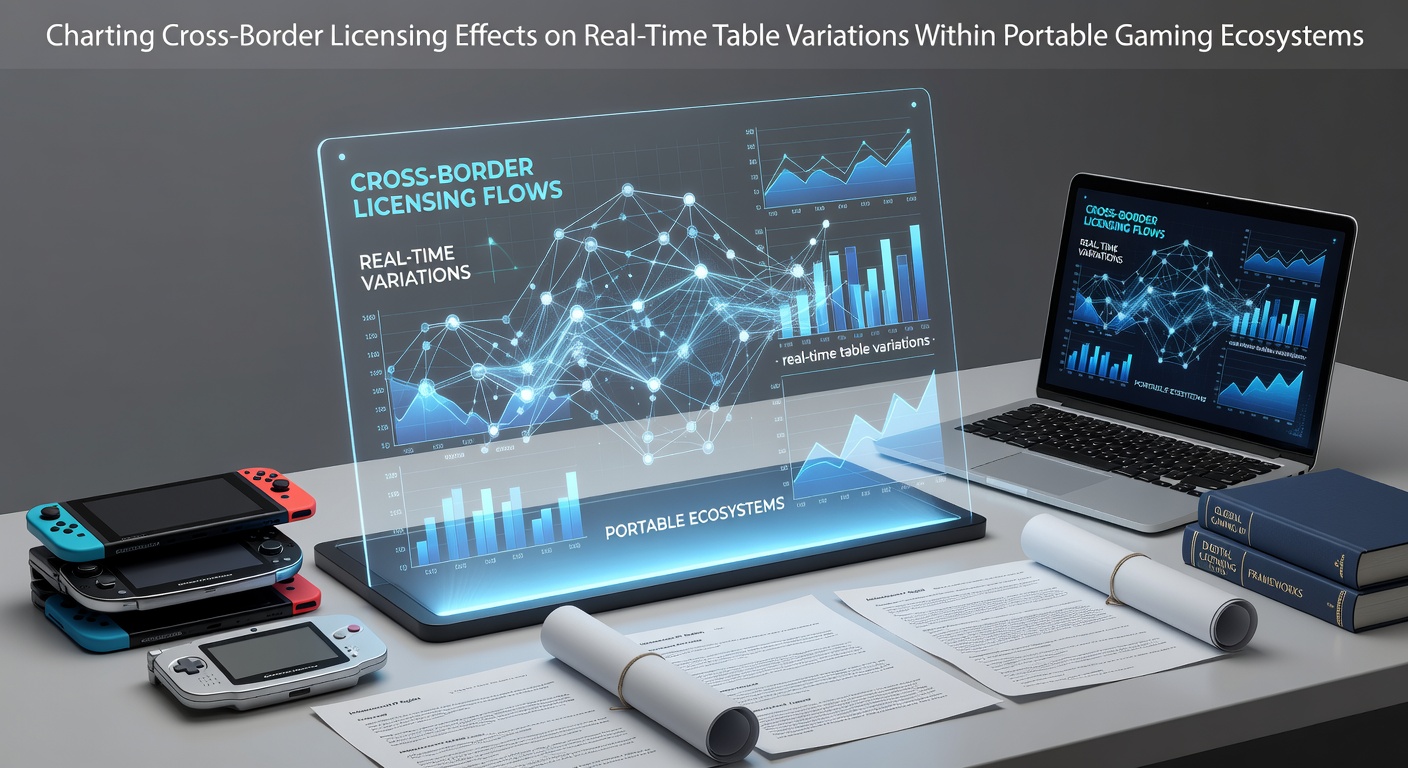
Charting Cross-Border Licensing Effects on Real-Time Table Variations Within Portable Gaming Ecosystems
Cross-border licensing shapes how real-time table games operate across mobile platforms, and researchers track these patterns through data from multiple jurisdictions, where rules on game mechanics, payout structures, and live dealer integrations shift based on where operators hold permits. Portable gaming ecosystems rely on apps and browser-based systems that deliver blackjack, roulette, and baccarat variants, yet licensing agreements dictate which features appear in specific regions at any given moment. Data from industry analyses shows that variations in bet limits, deck compositions, and side bet availability emerge directly from compliance requirements rather than uniform global standards.
Regulatory Foundations Across Regions
Operators secure licenses in primary markets like Nevada and secondary approvals in places such as the Isle of Man, which creates layered obligations that affect real-time table configurations on handheld devices. Nevada Gaming Control Board documentation outlines strict parameters for random number generators and live stream protocols, while parallel frameworks in other territories adjust these same elements to match local taxation and consumer protection mandates. Observers note that synchronization across borders demands constant updates to software, since a single app version must accommodate differing rule sets without disrupting user sessions.
Studies from academic institutions, including analyses conducted at the University of Nevada, Las Vegas, reveal how these licensing layers influence table game volatility in portable environments. Game developers adjust reel or card distribution algorithms to align with each licensed market, and this produces measurable differences in return-to-player percentages that players encounter during live sessions. Those who've examined deployment logs find that updates roll out in phased sequences, often tied to license renewal cycles that span multiple countries simultaneously.
Real-Time Variations Triggered by Licensing
Real-time table variations appear most clearly in live dealer modules, where camera angles, betting windows, and rule prompts change according to the originating license jurisdiction. For instance, one market might require a slower dealing pace for regulatory oversight, whereas another permits faster cycles that fit within mobile data constraints. Figures from regulatory filings indicate these adjustments occur without altering core game mathematics, yet they modify player pacing and session length on tablets and smartphones alike.
Portable ecosystems integrate geolocation tools that detect user position and load corresponding license parameters instantly, and this mechanism prevents cross-jurisdictional mismatches during active play. Researchers have documented cases where a player crossing from one region into another experiences an immediate shift in available side bets or maximum wager caps, all while the underlying session remains continuous. Such transitions rely on backend servers that pull from region-specific rule databases maintained under separate licensing agreements.
Impacts on Mobile Platforms and Data Flows
Mobile payment integrations and session tracking systems must accommodate these licensing differences, which leads to variations in how transaction records and game histories are stored and reported. According to reports from the Australian Communications and Media Authority, operators track player activity through segmented logs that reflect each active license, ensuring audit trails meet distinct national standards. This segmentation affects real-time analytics available to both players and operators, since dashboards display only those metrics permitted under the governing license.
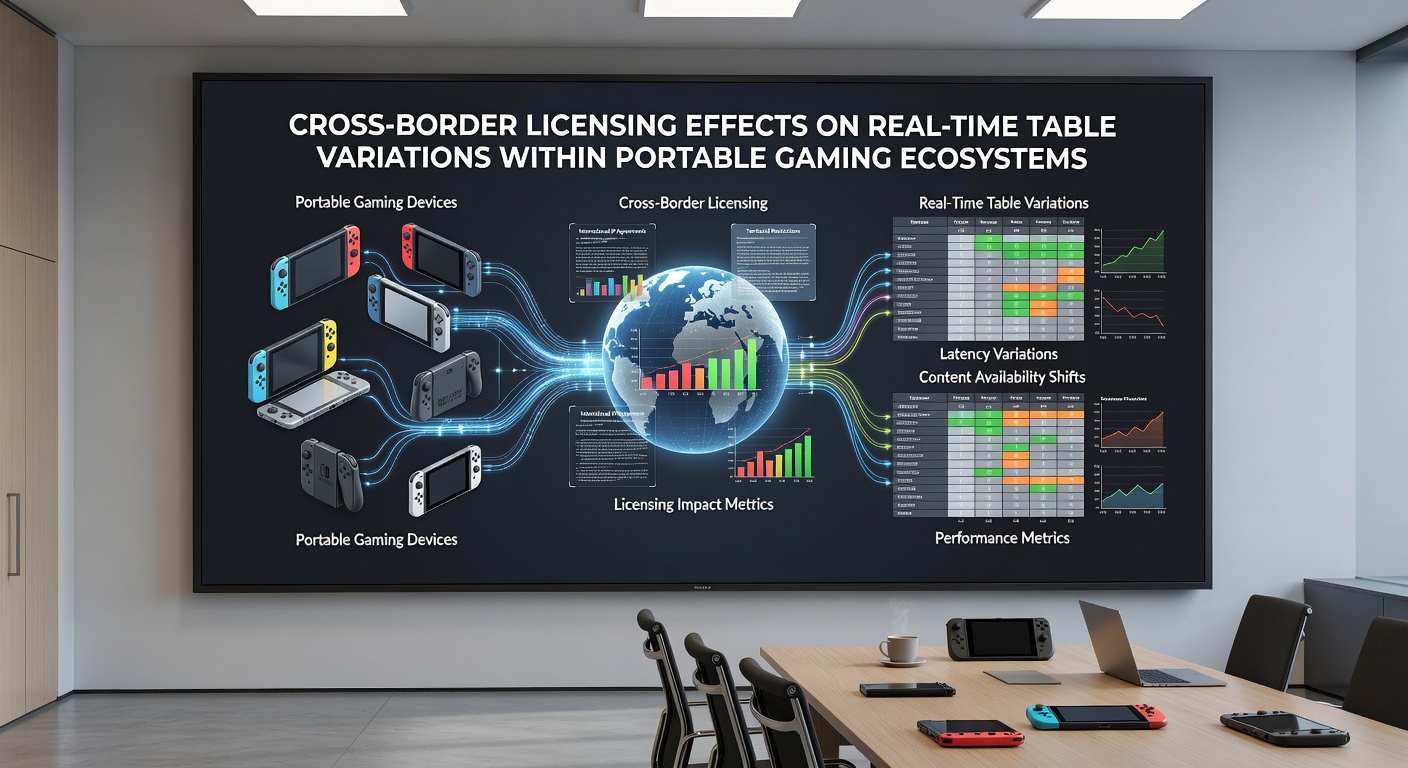
Device compatibility testing expands under cross-border arrangements, because screen resolutions and touch response times interact differently with region-specific interface modifications. Engineers test these configurations across multiple hardware models, and test results feed back into licensing compliance reports submitted to each authority. Evidence suggests that battery usage and data consumption patterns also diverge slightly when additional regulatory overlays activate during live table sessions.
Developments Anticipated by May 2026
Industry roadmaps point toward updated licensing harmonization efforts scheduled around May 2026, when several jurisdictions plan to align certain technical standards for live dealer streams and RNG certification. These alignments aim to reduce redundant testing while preserving each market's core consumer safeguards, and preliminary models show potential reductions in update frequency for portable apps. Trade association briefings indicate operators are already preparing modular code frameworks that can toggle variations more efficiently once the new timelines take effect.
Academic papers scheduled for release before that date examine pilot programs where shared certification bodies evaluate table game components across borders, and early findings highlight improvements in deployment speed without compromising security protocols. Those monitoring these pilots report that real-time table elements such as card shuffling sequences and wheel bias checks receive unified review processes in the test phases.
Conclusion
Cross-border licensing continues to drive measurable differences in how real-time table games function within portable ecosystems, and ongoing data collection from regulatory bodies and research groups tracks these effects across evolving markets. Adjustments in game parameters remain tied directly to license conditions, which ensures operators maintain compliance while delivering consistent access through mobile channels. As frameworks prepare for changes around May 2026, the patterns established so far provide a baseline for understanding future shifts in table variations on handheld platforms.